
# The Ultimate Guide: Florence Beyond the Uffizi
Everyone goes to Florence for the Uffizi, the David, and the Duomo. And rightly so: they're masterpieces that justify the trip. But if you stop there, you'll miss the city that Florentines truly love.
Authentic Florence isn't in the two-hour queues or the selfies in front of the Ponte Vecchio. It's in the Oltrarno workshops where an artisan restores a gilded frame using the same techniques from the 15th century. In the trattoria with no sign where the nonna serves ribollita just as her grandmother made it. In the garden you can only enter by ringing a discreet doorbell.
This guide is for those who already know — or plan to see — the essentials, and want to discover the other Florence.
Oltrarno: The Bank That Tourists Forget
Cross the Arno and everything changes. The Oltrarno is Florence's most genuine neighborhood, a labyrinth of alleyways where artisan workshops keep centuries-old crafts alive: bookbinders, goldsmiths, furniture restorers, marbled paper makers.
Via Maggio and Via Santo Spirito are the heart of this artisan Florence. Here you can step into a workshop and watch gold leaf being applied to a frame, or a cobbler hand-cutting leather for shoes that will last decades.
Piazza Santo Spirito, with its church designed by Brunelleschi (yes, the same architect as the Duomo, but without the queues), is the neighborhood's living room. In the mornings, a small market of local produce. In the afternoons, Florentines sit on the steps with an aperitivo. If you want to experience this with a local guide who opens workshop doors for you, the Oltrarno artisans and murals route is essential.
Don't miss: The Farmacia di Santa Maria Novella (founded in 1612, it's the oldest pharmacy in Europe) and the Officina Profumo, where they still craft perfumes using Dominican friars' recipes.The Secret Gardens
Florence has more gardens than you'd imagine, and most are empty of tourists.
The Giardino Bardini is the best example. From its terraces, the views of the Duomo and the city are as spectacular as those from Piazzale Michelangelo, but without the crowds. In spring, the wisteria pergola creates a purple tunnel that looks like something from a fairy tale.
The Giardino delle Rose, just below the Piazzale, is free and houses a collection of Folon sculptures among the rosebushes. And the Giardino dell'Iris, which only opens in May when the irises bloom — Florence's symbol — is a secret that few know about.
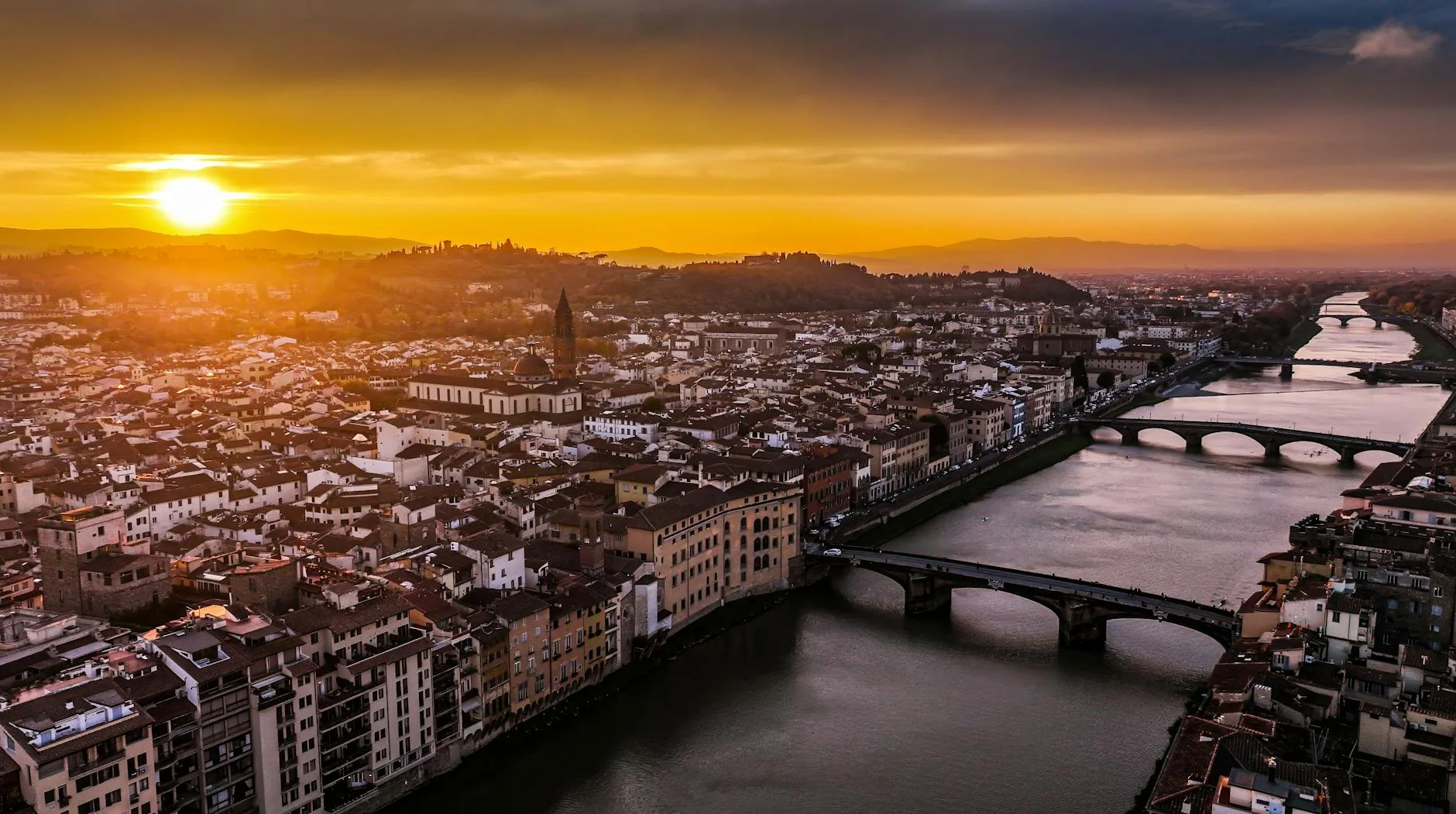
For those who want to enjoy these spots at dusk, with a glass of Tuscan wine in hand, the Florence at sunset: bridges, gardens, and wine experience turns the stroll into something unforgettable.
Eating Like a Florentine (For Real)
Forget the restaurants with tourist menus in five languages facing the Duomo. Real Florentine cuisine is in the neighborhoods.
Ribollita (bread and vegetable soup) and pappa al pomodoro are the soul dishes of Tuscany. Humble, comforting, perfect. The bistecca alla fiorentina — a Chianina beef T-bone cooked over embers, turned once, pink inside — is a ritual that demands respect: never order it well done.The Mercato di Sant'Ambrogio is the local alternative to the touristy Mercato Centrale. This is where Florentines shop: Tuscan garden vegetables, pecorino cheeses, lampredotto (the tripe sandwich that is Florence's authentic street food).
For a complete immersion in regional flavors, from markets to Chianti wineries, the flavors of Tuscany: markets, Chianti, and bistecca experience transforms the visit.
San Frediano: The Neighborhood Nobody Tells You About
Beyond the touristy Oltrarno, San Frediano is where young Florentines live who can't afford the historic center but don't want to move too far. It's the city's most authentic neighborhood.
Here you'll find craft breweries, natural wine bars, small contemporary art galleries, and a nightlife energy that the historic center has lost. Piazza Tasso is the epicenter, and the Circolo Aurora, a former workers' social club turned cultural center, is a gem.
Fiesole: The 20-Minute Escape
Just twenty minutes by bus from Piazza San Marco, Fiesole is the hill where the Etruscans settled before Florence even existed. The ruins of the Roman theater, with views over the city, are magical at sunset.
The walk up from Florence, passing the San Domenico convent where Fra Angelico lived, is a stroll through Renaissance villas, cypresses, and olive groves that encapsulates everything Tuscany means.
The Vasari Corridor and Other Secrets
The Vasari Corridor, the elevated passageway connecting the Palazzo Vecchio to the Palazzo Pitti over the Ponte Vecchio, is one of Florence's most fascinating spaces. Built in 1565 so the Medici could move without mingling with commoners, it houses a collection of self-portraits spanning five centuries.
Other secrets worth your time:
The Florence of Rituals
To live Florence like a Florentine, you need to adopt their rituals. The day as a Florentine: neighborhoods, rituals, and secrets experience guides you through the habits that define life in this city:
When to Go
Avoid July and August: the heat is crushing and the city is overwhelmed. The best months are April-May (wisteria, irises, perfect temperature) and September-October (Chianti harvest, golden light, fewer tourists).
In winter, Florence has a melancholic charm that few discover: empty museums, mist over the Arno, Christmas markets, and the smell of roasted chestnuts on every corner.
---
The Florence of the Medici is still there, in the museums and palaces. But living Florence, the one that breathes and changes, is in the streets that surround all of that. You just need to cross the bridge.