
Heraklion: Knossos, Raki and the Soul of Crete
Crete is not just another Greek island. It is the cradle of European civilisation, where the myth of the Minotaur was born, where olive oil has been pressed for four thousand years and where hospitality is not a tourist concept but a way of life. Heraklion, its capital, is the gateway to all of it.
Knossos: Where It All Began
The Palace of Knossos is Greece's most important archaeological site. Here the Minoan civilisation flourished 4,000 years ago, creating a palatial complex of over a thousand rooms. The Throne Room, with its alabaster throne and painted griffins, is the oldest throne room in Europe.
The Archaeological Museum
After the National Museum of Athens, this is the world's most important collection of ancient Greek art — and everything here is Minoan. The original frescoes from Knossos, the Snake Goddess and the undeciphered Phaistos Disc are among its treasures.
The Venetian Harbour
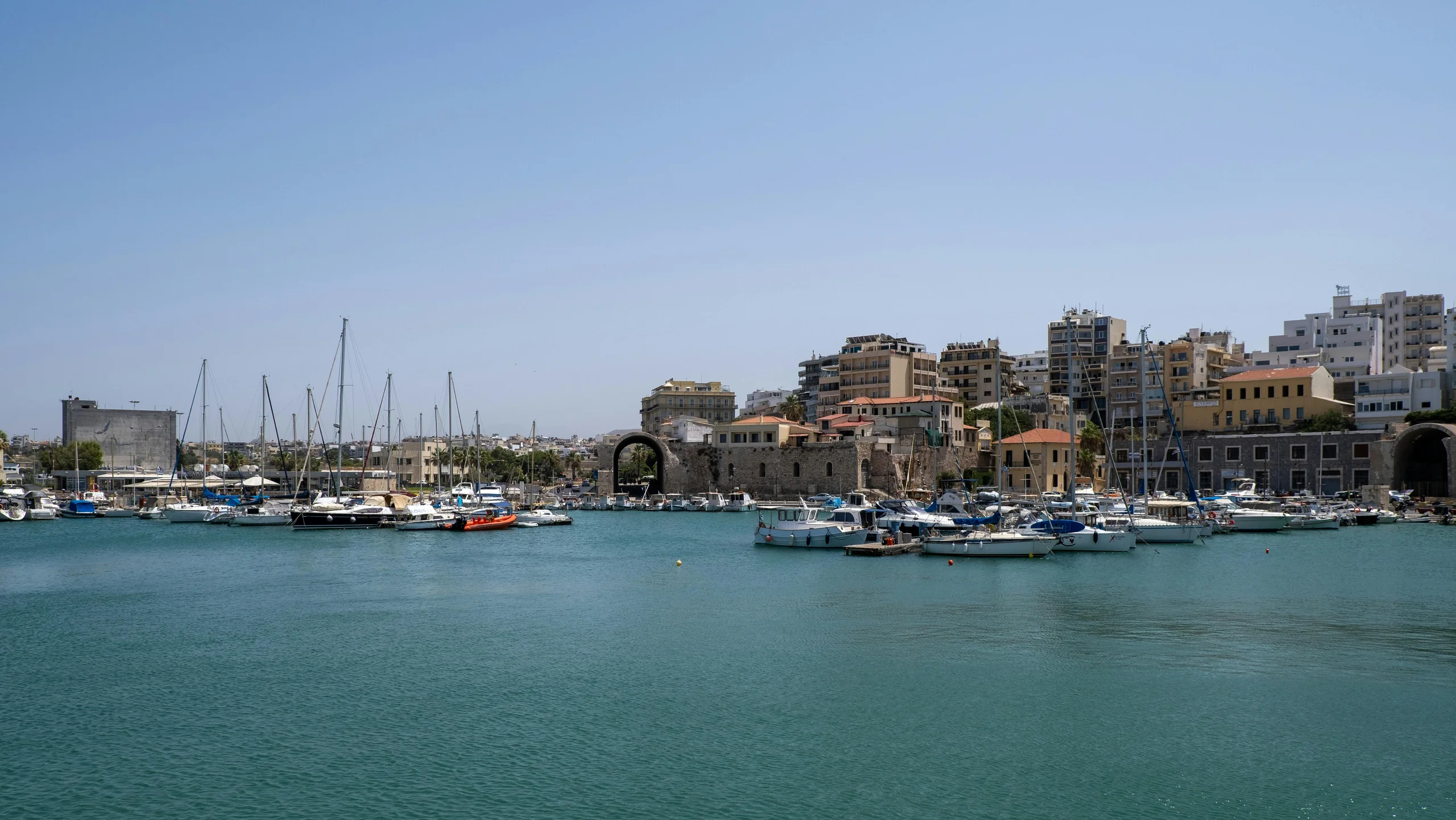
The Venetians ruled Crete for four centuries. The Koules Fortress guarding the old harbour is Heraklion's most photographed landmark. At sunset the walls turn orange and the fishing boats sway gently.
Cretan Flavours
Cretan cuisine is considered one of the world's healthiest. Dakos (barley rusks with tomato and cheese), kalitsounia (sweet cheese pies) and complimentary raki after every meal are essentials.
Practical Tips
---
Discover all experiences in Heraklion at letsjaleo.com/heraclion.