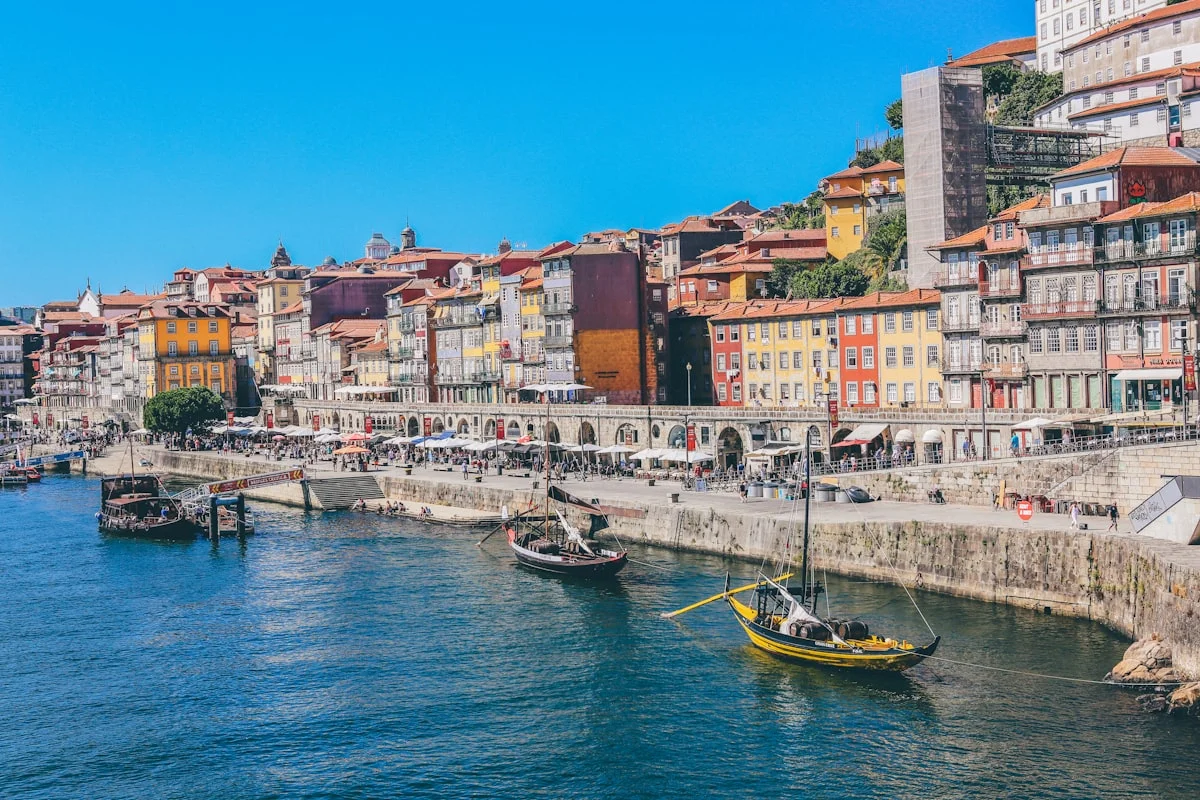

Some cities you see. Others you feel. Lisbon belongs to the second group. Here, culture isn't just in museums — it's on the walls, in the voices drifting from fado houses at midnight, in the light that catches the tiles on any given façade in Bairro Alto.
If you come to Lisbon expecting only pastéis de nata and yellow trams, you're in for a surprise. This city has layers, and each one deserves exploring.
Fado: the soundtrack of a city
Fado isn't just music. It's a state of mind. That blend of nostalgia, melancholy and beauty the Portuguese call saudade — a feeling that has no exact translation in any other language.
In Alfama, Lisbon's oldest neighbourhood, you can still find fado houses where tradition remains untouched. We're not talking about tourist shows with a set menu (though those exist too), but small venues where a voice rises suddenly and silence becomes sacred.
Where to experience it: The Museu do Fado (Largo do Chafariz de Dentro) is the perfect starting point to understand the historical context. After that, lose yourself in the narrow streets of Alfama at sunset. For a more immersive experience, the Fado and Azulejos experience guides you through the most authentic corners.Azulejos: the art that covers Lisbon
Azulejos are to Lisbon what graffiti is to Berlin: a form of expression that turns the entire city into an open-air museum. But unlike street art, Portuguese tiles have over 500 years of history.
From 15th-century Moorish geometric patterns to 18th-century Baroque compositions, through contemporary creations by artists like Joana Vasconcelos, azulejos tell Portugal's story on every corner.
Must-sees:Alfama: where time stood still
Alfama is the only neighbourhood that survived the devastating 1755 earthquake. Its labyrinthine streets, steep stairways and viewpoints overlooking the Tagus preserve the essence of medieval Lisbon.
Maps won't help here. The beauty lies in getting lost: climbing a staircase that leads nowhere, discovering a secret viewpoint, hearing someone practise fado through an open window. Alfama is explored with the senses, not with GPS.
Local tip: Visit early in the morning (before 10am) or at sunset. At midday, the heat and hills can be unforgiving, especially in summer.Belém: where Portugal dreamed of the world
A few kilometres from the centre, Belém is the neighbourhood where Portugal looks out to sea with pride. This is where Vasco da Gama's ships set sail for India, and where the monuments celebrating that era of exploration were built.
The Jerónimos Monastery is a masterpiece of the Manueline style — that unique blend of late Gothic with maritime and exotic motifs that exists only in Portugal. The Tower of Belém, although smaller than you'd imagine, has an elegance that justifies every photo.
And yes, after all that culture, the pastéis de Belém from the original factory (Rua de Belém, 84-92) are the perfect finishing touch. The queue is worth it.
Underground Lisbon: the other side of culture
Beyond tradition, Lisbon pulses with a contemporary cultural scene that deserves attention. The Marvila neighbourhood has become the creative epicentre: art galleries in former warehouses, craft breweries, artists' studios.
The MAAT (Museum of Art, Architecture and Technology), with its undulating building by the river, symbolises this modern Lisbon that dialogues with its past without giving up on the future. If this side interests you, the Lisboa Underground experience takes you through the city's most creative corners.
How to enjoy Lisbon's culture
Lisbon is a city for unhurried strolling. These tips will help you make the most of it:
A city you carry inside
Lisbon isn't visited, it's absorbed. Every viewpoint offers a different perspective, every alleyway hides a story, every fadista draws out an emotion you didn't know you had.
If you want to experience Lisbon like a local, explore the curated experiences in Lisbon — designed by people who know every corner of this city that, once you set foot in it, never leaves you indifferent.