
When someone says Munich and food in the same sentence, the image is always the same: one-litre beer steins, white sausages and pretzels the size of a steering wheel. And yes, all of that exists and it is wonderful. But Munich has a gastronomic side that most travellers never discover: a vibrant, diverse and sophisticated foodie scene that coexists with tradition without apology. Today I am inviting you to explore the Munich that does not make it onto the postcards.
Viktualienmarkt: where the classic reinvents itself
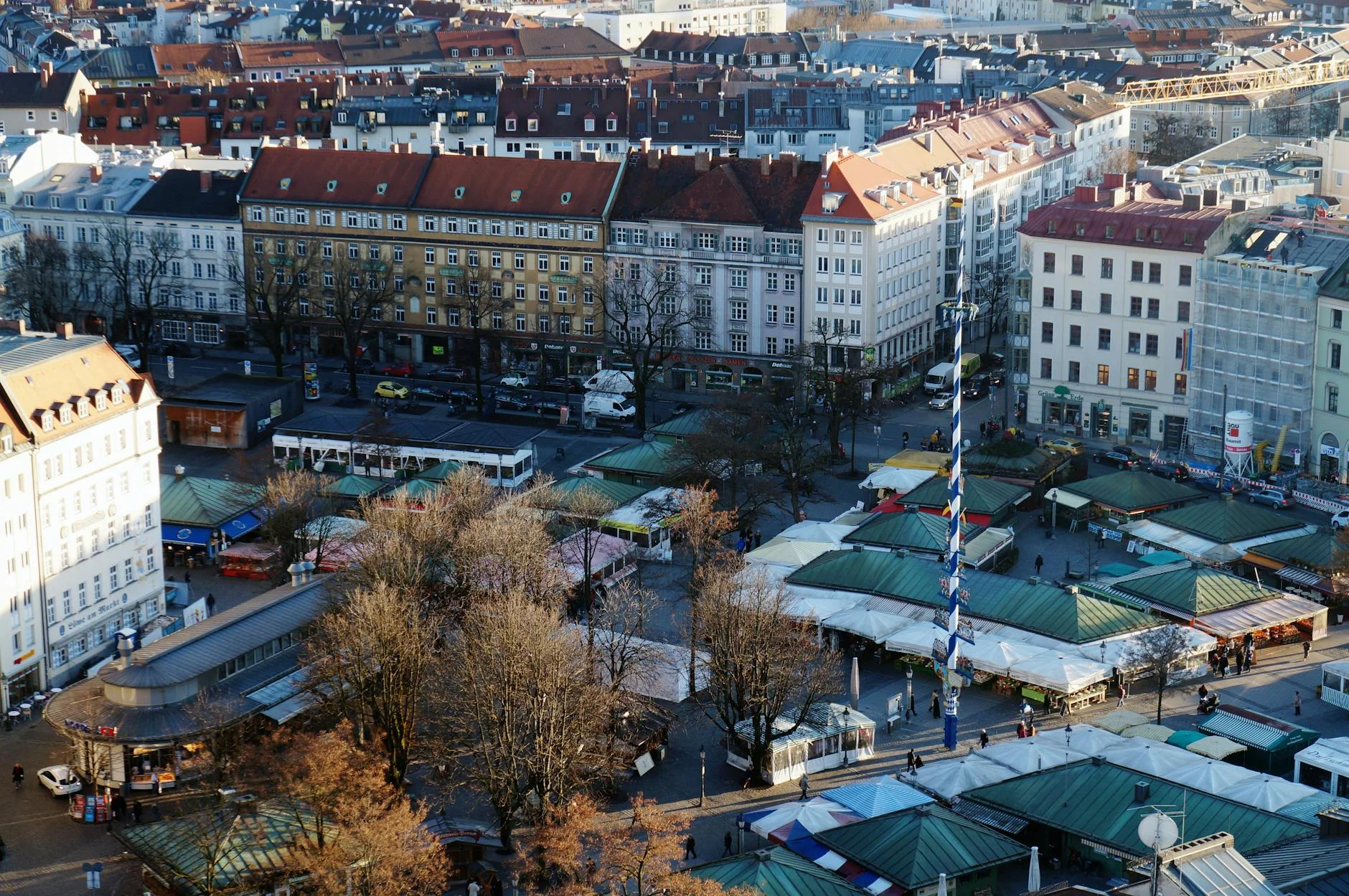
It all starts at the Viktualienmarkt, the open-air market that has been beating at the heart of Munich since 1807. With more than 140 stalls spread across 22,000 square metres, it is much more than a market: it is the city's gastronomic living room.
You do not come here just to shop: you come to eat, to taste, to discover. At the Poseidon stand you will find fresh oysters and champagne at reasonable prices (from EUR 3 per oyster). At Cafe Frischhut, right beside the market on Pralat-Zistl-Strasse 8, they serve the best Schmalznudel in the city: a kind of fried doughnut, crispy on the outside and fluffy inside, for EUR 1.80. Locals order them with coffee at 8 in the morning, and it does not seem like a bad idea.
But the real surprise of the Viktualienmarkt is the stalls that go beyond the Bavarian. You will find artisan French cheeses, cold-pressed Greek olive oil, oriental spices, fresh Italian pasta and tropical juices. It is a gastronomic world map compressed into a few hectares.
The Flavours of Bavaria experience guides you through the less obvious corners of this market and connects you with the producers who have been here for generations. If you want to go beyond the pretzel, this is your gateway.
Maxvorstadt and Schwabing: the creative axis
If the Viktualienmarkt is the classic heart, the Maxvorstadt and Schwabing neighbourhoods are the modern soul of Munich's gastronomy. Here, among art galleries, universities and secondhand bookshops, you will find some of the city's most interesting restaurants.
Cochinchina (Klenzestrasse 3) is a Vietnamese restaurant that has revolutionised the scene with its pho served in handmade ceramic bowls and its summer rolls with homemade peanut sauce. A full lunch costs around EUR 15-18 and the quality is flawless.At Bodhi (Ligsalzstrasse 23), near the central station, you will discover that Munich has one of the best vegan scenes in Germany. Their seasonal bowls, miso ramen and dairy-free desserts are so good that even the most committed carnivores come back for more. Set lunch for EUR 12.
And if you fancy something more exclusive, Tantris (Johann-Fichte-Strasse 7, Schwabing) is a temple of Munich fine dining with two Michelin stars. Chef Benjamin Chmura combines French technique with local Bavarian produce. The tasting menu starts at EUR 245, but there is a more accessible bistro on the same premises where you can dine superbly for EUR 60-80.
Glockenbachviertel: the neighbourhood where it all happens
The Glockenbachviertel, beside the River Isar, is Munich's coolest district. Here the LGBTQ+ community, artists, designers and food entrepreneurs coexist, changing the rules of the game.
Bapas (Klenzestrasse 57) blends Spanish and Bavarian cooking with charming audacity: patatas bravas with weisswurst, obatzda croquettes (the Bavarian cheese spread) and sharing boards that pair jamon serrano with Tyrolean Speck. Tapas from EUR 4, and the atmosphere is the kind that makes you stay two hours longer than planned.For weekend brunch, Cotidiano (Gartnerplatz 6) is an institution. Eggs Benedict with smoked salmon, avocado toast with za'atar and homemade granola with Greek yogurt. The queue starts at 9:00 on Saturdays, but the wait is worth it. Full brunch for EUR 16-22.
And to round off the night, Zephyr Bar (Baaderstrasse 68) serves signature cocktails with local ingredients: Bavarian gin, alpine herb syrups and artisanal bitters. Cocktails from EUR 14 in a setting that blends industrial chic with Munich warmth.
The bread revolution: beyond the pretzel
Germany is the bread country par excellence, and Munich takes it to another level. The classic pretzel (Breze in Bavarian) is still king, but there are bakeries pushing the boundaries.
Zuckerbrot (Reichenbachstrasse 20, Glockenbachviertel) is an artisan bakery that works with its own sourdough culture and organic flours from Bavarian mills. Their walnut rye bread (EUR 3.80 a loaf) and their focaccia with rosemary and Alpine salt (EUR 4.20) are revelations.At Rischart (Marienplatz 18), Munich's most emblematic bakery since 1883, the pretzels remain unbeatable (EUR 1.50), but you will also find Alpine butter croissants and cakes that rival any Parisian patisserie. The second-floor terrace has direct views of the Town Hall's Glockenspiel, and a coffee with cake costs about EUR 8.
Haidhausen: the best-kept secret
If Glockenbachviertel is the neighbourhood everyone knows, Haidhausen is the one that has not yet blown up. On the other side of the Isar, this former working-class district has become a hotbed of gastronomic ideas without losing its neighbourhood character.
Wirthaus in der Au (Lilienstrasse 51) is the place to try Munich's most famous Knodel (bread or potato dumplings). They make them every way imaginable: classic with mushroom sauce, stuffed with spinach, gratin with mountain cheese. A main course with Knodel costs EUR 12-16 and portions are generous.The Munich Underground experience takes you through the less touristy districts, including Haidhausen, where authenticity is served unfiltered and without queues. It is the Munich that locals want to keep secret.
For a different aperitif, Flushing Meadows Bar (in the hotel of the same name, Fraunhoferstrasse 32) has a rooftop with views of the Isar and a list of natural wines and local craft beers that would make any alternative sommelier weep with joy. Glass of natural wine from EUR 8.
Biergarten: the tradition that never fails
I cannot write about Munich's food without mentioning the Biergarten, because they are much more than places to drink beer. They are Munich's way of eating outdoors, in community, without pretension.
The most iconic is the Biergarten at the Chinesischer Turm (Englischer Garten), with 7,000 seats under the chestnut trees. But my favourite is the Aumeister (Sondermeierstrasse 1), in the north of the Englischer Garten: less touristy, surrounded by forest, with a menu that includes Obatzda (Bavarian cheese cream, EUR 6), Schweinshaxe (roast pork knuckle, EUR 14) and traditional Bavarian radish salads.
The golden rule of the Biergarten: you can bring your own food (it is tradition), but you buy the beer there. A Mass (one-litre stein) costs EUR 10-12, and the ritual of sitting on a wooden bench, clinking glasses with strangers and enjoying the Bavarian sunset is priceless.
The Imperial and Artistic Munich experience combines the city's palaces, museums and gardens with gastronomic stops that reveal why Munich is much more than Oktoberfest.
Foodie Munich: a city that surprises
Munich is not Berlin, and it does not pretend to be. It does not have that chaotic energy or that constant reinvention. What it has is something subtler: a way of doing things well, with rigour and soul, that applies as much to its car engineering as to its bread-making. Munich's foodie scene is exactly like that: without shouting, without posing, but with a depth that leaves you wanting to come back. So the next time someone tells you Munich is just beer and sausages, smile. You already know the truth.