
Some cities read like books and some cities feel like songs. Porto is a song. A melody that is melancholy and luminous at the same time, made of tile-covered facades, wine maturing in centuries-old cellars and a river that embraces it all. If Lisbon is the elegant, cosmopolitan older sister, Porto is the sister with character: rawer, more intense, more real. And today I want to tell you why this city in northern Portugal stays etched on the skin of everyone who visits.
The azulejos: the art that dresses the city
The first thing that strikes you when you arrive in Porto is the azulejos. They are everywhere: on churches, train stations, house facades, markets and even inside restaurants. They are not simple decorative tiles -- they are the visual language of Portugal, and in Porto that language is spoken with an eloquence you will not find anywhere else in the world.
The epicentre is Sao Bento Station. Walk in and look up: 20,000 hand-painted tiles by Jorge Colaco, created between 1905 and 1916, tell the history of Portugal, from medieval battles to scenes of rural life. It is a train station, yes, but it is also one of the most beautiful museums in the country, and admission is free.
From there, walk along Rua das Flores to the Igreja do Carmo, whose side facade is a mural of blue and white azulejos depicting the founding of the Carmelite Order. Next door is the Igreja dos Carmelitas, and between the two churches stands one of the narrowest houses in Portugal: barely a metre wide, built so the monks and nuns could not see one another.
The Azulejos and Wine experience immerses you in this ceramic universe, combining the masterpieces of azulejo art with tastings in the cellars of Vila Nova de Gaia. It is the most complete way to understand why art and wine are inseparable in this city.
Another must-see is the Capela das Almas on Rua de Santa Catarina. Its facade is covered by nearly 16,000 azulejos depicting scenes from the life of Saint Francis of Assisi and Saint Catherine. In the early morning, when the sunlight strikes them, they seem to come alive.
Port wine: a journey to the soul of the Ribeira
You cannot understand Porto without the wine that bears its name. Port wine is born on the steep hillsides of the Douro Valley, about 100 kilometres upriver, and matures in the cellars of Vila Nova de Gaia, across the river from the old town.
Cross the Ponte de Dom Luis I, the iconic iron structure designed by a disciple of Gustave Eiffel, and descend the steep streets of Gaia to the cellars. Graham's has spectacular views from its terrace and offers tastings from EUR 15. Sandeman, recognisable by its logo of the man in the black cape, is another classic (guided visit from EUR 17). If you prefer something more intimate, Ramos Pinto offers personalised tours and a fascinating museum with Art Nouveau posters.
But the real pleasure is sitting on the terrace of any cellar at sunset, with a glass of 10-year tawny in your hand (EUR 5-7), watching the sun paint the Ribeira facades orange across the river. It is one of those moments that justify an entire trip.
The Ribeira: living heritage beside the river
The Ribeira, the historic quarter that cascades down to the Douro, is a UNESCO World Heritage Site, and it shows. Narrow, colourful houses stack on top of one another like a vertical jigsaw puzzle, with laundry strung between balconies and the sound of fado drifting from open windows.
Stroll along the Cais da Ribeira, the riverside quay, where restaurants set out their terraces in the sun and street musicians play Portuguese music. The atmosphere is relaxed, almost timeless. Here a francesinha (Porto's hearty grilled sandwich with meat, sausages, cheese and spicy sauce) costs EUR 10-14 at places like Cafe Santiago or Bufete Fase.
The From Market to Cellar experience connects Porto's gastronomy with its winemaking tradition, from the stalls of the Mercado do Bolhao to the caves of Gaia. If you want to understand Porto through its palate, this is your experience.
From the Ribeira, climb the stairs (or take the Funicular dos Guindais, EUR 2.50) up to the Cathedral of Porto (Se do Porto), a twelfth-century Romanesque fortress that dominates the city. The views from the viewpoint beside the cathedral are among the best in Porto, and entry to the Gothic cloister with its eighteenth-century azulejos costs just EUR 3.
Rua de Santa Catarina and the Majestic
If you need a break from the heritage, Rua de Santa Catarina is Porto's main shopping street. A pedestrian avenue that mixes local shops, international chains and, above all, the Cafe Majestic (Rua de Santa Catarina 112). Founded in 1921, its Art Nouveau interior of mirrors, wood carvings and crystal chandeliers is pure luxury from another era. A coffee here costs EUR 4, but you are paying for the history as much as the drink. They say J.K. Rowling wrote part of Harry Potter at these tables when she lived in Porto.
If you are interested in the bookshop that inspired Hogwarts, Livraria Lello is a few minutes' walk away (Rua das Carmelitas 144). Entry costs EUR 8, redeemable against a book purchase. The central staircase is spectacular, but be prepared for queues.
The Douro: the backbone of it all
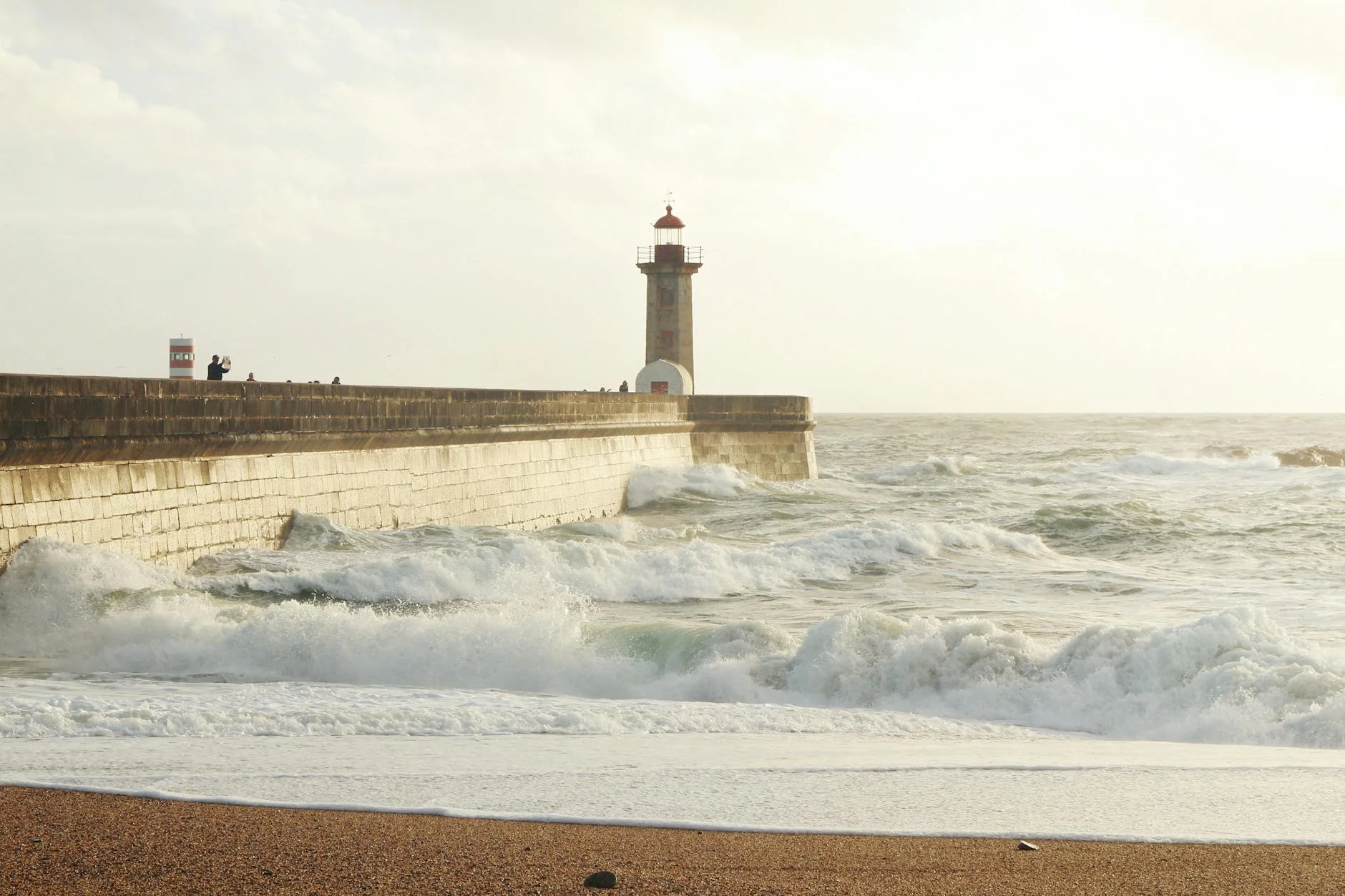
The River Douro is not just scenery: it is Porto's reason for being. Along it came the rabelo boats laden with wine from the interior, and on its banks grew a city that lives between nostalgia and reinvention.
The Douro Valley experience takes you upriver, where vineyards on impossible terraces draw one of the most beautiful landscapes in Europe. If you have time for a half-day escape, it is one of the most memorable experiences you can have in Portugal.
For a more urban version, take a six-bridges cruise (EUR 15-18, one hour) along the Douro from the Ribeira. You will see the six bridges that connect Porto and Gaia, each with its own history and personality. The best time is in the afternoon, when the golden light turns the river into a mirror.
Tips for experiencing Porto
Transport: The historic centre is walkable, but the hills are serious. Wear comfortable shoes. The metro (line D, yellow zone) connects the airport to the centre in 30 minutes. The rechargeable Andante card costs EUR 0.60 plus the fare. Budget: Porto is more affordable than Lisbon. A full lunch with wine at a local restaurant costs EUR 12-18. A cellar tasting EUR 15-25. The francesinha, the signature dish, EUR 10-14. Best time to visit: May to October. July and August are the hottest months (up to 35 degrees Celsius), but the evenings by the river make up for it. September is the perfect month: good weather, fewer tourists and harvest season in the Douro.Porto is one of those cities that does not try to impress you: it simply does. With its azulejos that tell stories, its wine that stores memories and a river that flows with the same calm as always. Come to Porto and let the city wrap itself around you. You will not need to seek out beauty: it will find you.