
# Venice Without Tourists: Secret Schedules and Hidden Corners
Venice receives thirty million visitors a year. In a city of barely fifty thousand residents, that means during peak season there are days when tourists outnumber Venetians sixty to one. Streets clog up, bridges become bottlenecks, and the experience feels more like a theme park than a city.
But Venice is still magical. You just need to know when to go, where to move, and what to avoid. This guide gives you the keys to experiencing the real Venice, the one that still exists behind the masks and souvenir stalls.
The Golden Rule: Wake Up Early
The most important advice for enjoying Venice is also the simplest: get up before the tourists. Most visitors arrive by cruise ship or day train and leave in the afternoon. That means between 7:00 and 9:00 in the morning, Venice is almost yours.
St. Mark's Square at dawn, with the basilica reflected in puddles and the only sounds being the flutter of pigeons and the sweeper's steps, is one of the most breathtaking experiences Europe can offer. By ten, that same square will be impassable.
The Rialto Bridge at seven in the morning, with boatmen unloading vegetables for the market and golden light bouncing off the Grand Canal, is another Venice. The Venice of the Venetians.
Key timing: If you can only choose one time of day, choose the early hours. Everything — photos, walks, visits — is incomparably better before ten.The Neighborhoods Nobody Visits
Cannaregio
Venice's largest and most residential neighborhood is, paradoxically, the least visited. While tourists crowd between San Marco and Rialto, Cannaregio lives at a different pace.
The Fondamenta della Misericordia and Fondamenta degli Ormesini are the streets of local bars. Here, as evening falls, Venetians sit for a spritz at the bacari (traditional wine bars) without a tourist in sight.
The Jewish Ghetto, the oldest in the world (the very word "ghetto" was born here in 1516), is a place charged with history and surprisingly peaceful.
Castello
East of San Marco, Castello extends to the Biennale gardens. The further you go from the square, the more silence you find. Via Garibaldi, Venice's widest street (which isn't saying much), has fruit markets, family trattorie, and a neighborhood life that seems impossible in a city like this.
To discover these corners with someone who knows them, the hidden Venice: beyond San Marco experience takes you along the paths Venetians walk every day.
Dorsoduro
The area around Punta della Dogana and the Zattere, facing the island of Giudecca, offers Venice's most spectacular sunsets without the crowds at the Ponte dell'Accademia. Venetians come here for evening walks, to sit on the canal's edge with a gelato, and to watch the sun sink behind Giudecca.
Eating Off the Circuit
Gastronomy is perhaps where the difference between tourist Venice and real Venice is most obvious.
San Marco and Rialto restaurants are expensive and often mediocre. The bacari, however, are the city's culinary essence. These traditional wine bars serve cichetti — small Venetian tapas — at prices that still allow you to eat without going broke: crostini with baccalà mantecato, sarde in saor (sardines in sweet pickle), polpette (meatballs), all accompanied by an "ombra" of wine (the glass of wine called "shadow" because it was historically served in the shadow of St. Mark's bell tower).
The best bacari are in Cannaregio and Castello, far from tourist routes. For a complete gastronomic route, the gourmet Venice: from Rialto to the table experience is the definitive guide.
The Lagoon: Venice Outside Venice
Most tourists visit Murano (glass) and Burano (colorful houses) and miss the rest of the lagoon, which is vast and fascinating.
Torcello, the island where Venetian civilization began, has just eleven residents today and a 7th-century basilica with Byzantine mosaics that rival those of Ravenna. Getting to Torcello is traveling back in time: reed beds, silence, and the feeling that the world has stopped. San Lazzaro degli Armeni, an Armenian monastery in the middle of the lagoon, is visited by appointment and offers a completely different perspective on Venice: gardens, ancient manuscripts, and a peace that contrasts with the city's hustle.To explore the islands in depth, the lagoon islands: Murano, Burano, and Torcello experience organizes the visit so you don't miss anything essential.
When to Go: The Secret Calendar
Peak season in Venice is an elastic concept, but there are clear patterns:
The Entry Fee and How to Avoid It
Since 2024, Venice charges a day-visitor access fee (5 euros). It applies on specific high-traffic days, generally between April and July. If you sleep in the city, you're exempt. Another reason to stay overnight: you experience both the best moments (dawn and sunset) and pay less.
Living Like a Venetian
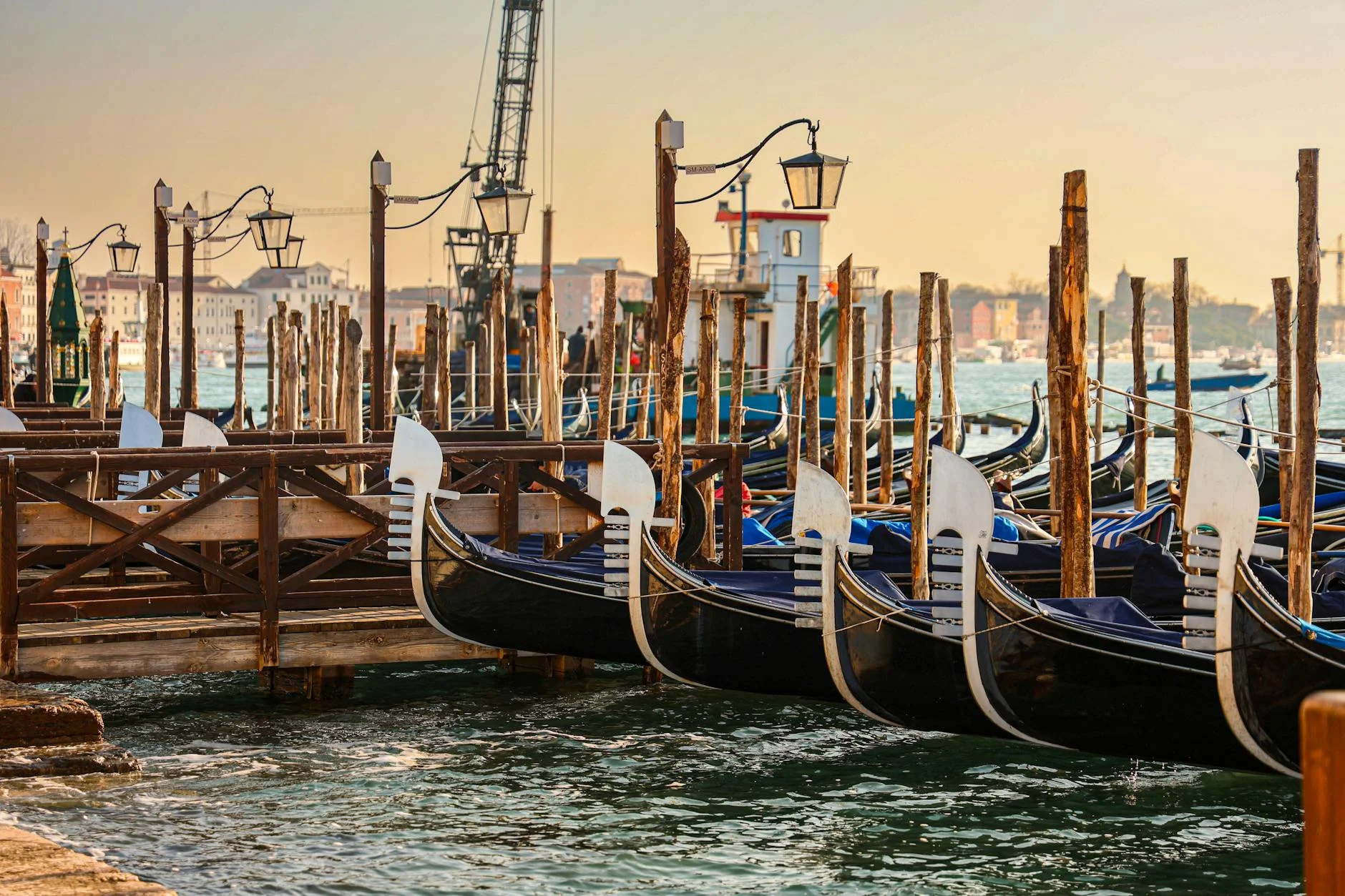
The real Venice isn't seen, it's lived. It's coffee at the usual bar at seven in the morning. It's getting lost without a map (in Venice, every alley leads somewhere beautiful). It's crossing the Grand Canal by traghetto — the gondola-ferry locals use for two euros — instead of paying eighty for a tourist ride.
For those seeking that immersion, the day as a Venetian experience is designed exactly for this: living the city from the inside, not from the photo.
What Not to Do
1. Don't eat in the street sitting on a bridge or stairs. It's prohibited and fined.
2. Don't buy fake bags or glasses from street vendors. The fine is for the buyer.
3. Don't feed the pigeons. Fines up to 500 euros.
4. Don't swim in the canals. It seems obvious, but every summer someone tries.
5. Don't wander aimlessly around San Marco at midday. It's the recipe for hating Venice.
---
Venice doesn't need you to save it from tourists. It needs you to be a better visitor: wake up early, get lost, eat where locals eat, and remember that behind the postcard there's a real city where people do their shopping, take their kids to school, and have a spritz at the end of the day.