Plans in florencia
Choose your profile:
Plans in
Renaissance Florence: Uffizi, Duomo and Genio
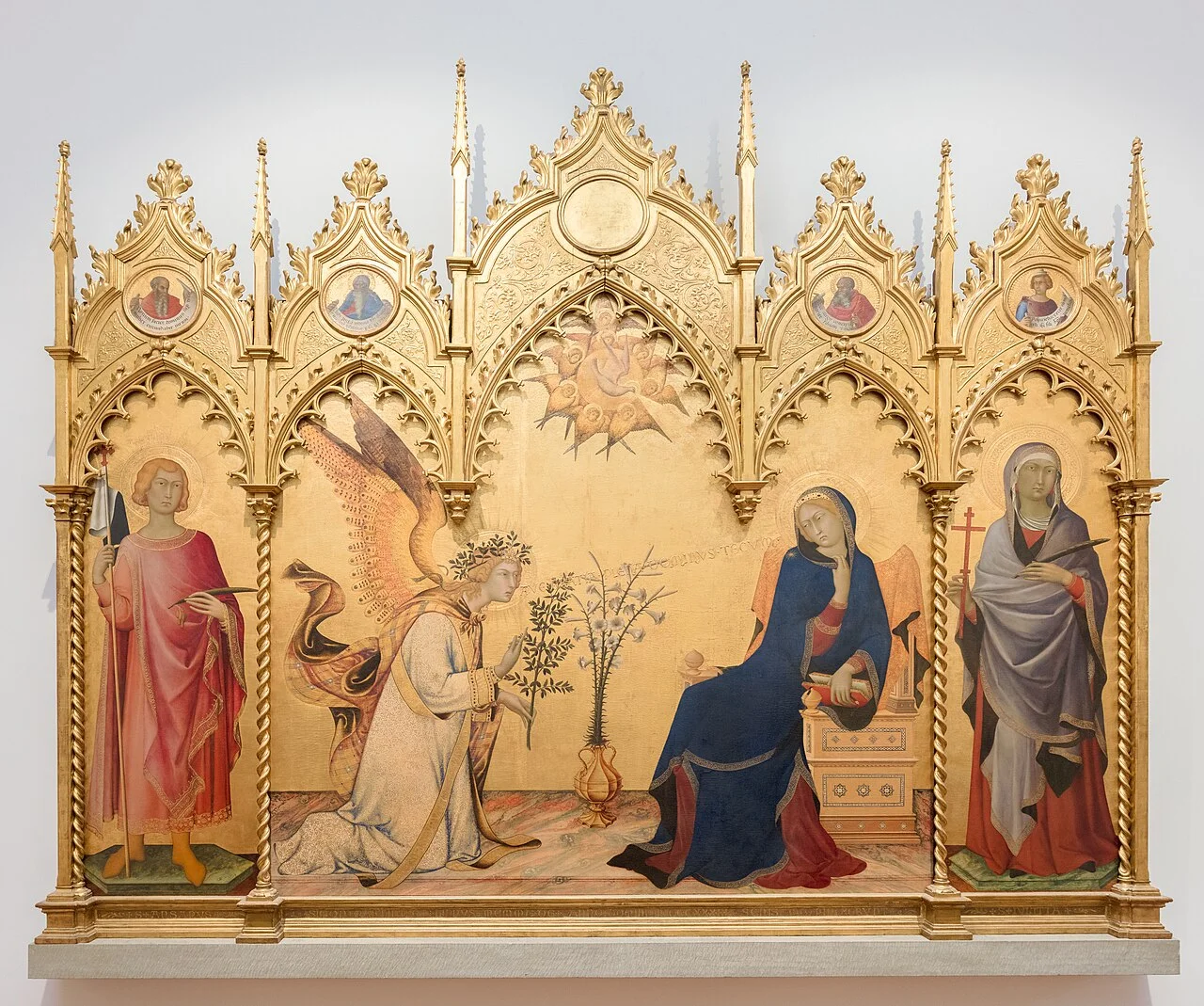
There's a moment inside the Cathedral of Santa Maria del Fiore that nobody warns you about: when you look up into Brunelleschi's dome and Vasari's Last Judgment catches you from above, it feels like the sky is staring back at you. That's how this journey begins — not with a guidebook, but with a beautiful kind of vertigo. From there you'll walk to the Uffizi, where Botticelli and Caravaggio share walls as if time simply doesn't exist. I always linger in front of the Primavera longer than I should; there's something in Flora's gaze that shifts depending on the time of day and whatever you're carrying inside. Then the David at the Accademia will remind you that Michelangelo used to say the sculpture was already inside the marble — he just removed what didn't belong. When you see it in person, you believe him. But Florence isn't only marble and oil paint. Between one museum and the next, Piazza della Signoria gives you this open-air theatre where every stone has a political story to tell, and Trattoria Mario — with its shared tables and steaming ribollita — pulls you right back into the present with the warmest embrace this city can offer: its honest, unpretentious cooking. Let the golden afternoon light carry you and you'll discover that the Renaissance never really ended; it just changed shape.

Florence at Sunset: Bridges, Gardens and Wine
There's a moment in Florence that happens only once a day, and it lasts barely forty minutes. It's when the sun drops over the Arno and everything —the bridges, the domes, the ochre facades— turns a shade of gold that Ghirlandaio himself would have envied. This experience is designed to live exactly that moment, but starting where you should start: in the silence. The Boboli Gardens in the late afternoon are a different world. The crowds have gone and you can wander among the sculptures of the Grotta del Buontalenti almost entirely alone, feeling how the marble shifts temperature with the light. From there, you cross into the Oltrarno to sit down at La Leggenda dei Frati, where they serve a ribollita that tastes exactly the way it's supposed to — like a slow flame and Tuscan patience. Then, the Ponte Vecchio. I know it sounds obvious, but at sunset, when the goldsmiths close their botteghe and the stone glows pink, you understand why it's been standing there since 1345. From the bridge you walk up to Piazzale Michelangelo, and I promise you — even if you've seen a thousand photos, the first time you see all of Florence spread out beneath your feet with Brunelleschi's cupola cut against a blazing sky, it takes your breath away. Dinner at Enoteca Pinchiorri is the toast this city deserves: a Tuscan wine, a table steeped in history, and the certainty that you've seen Florence the way she wants to be seen. Do it on a Friday in May. Don't ask me why — just trust a Florentine.
Flavors of Tuscany: Markets, Chianti and Bistecca
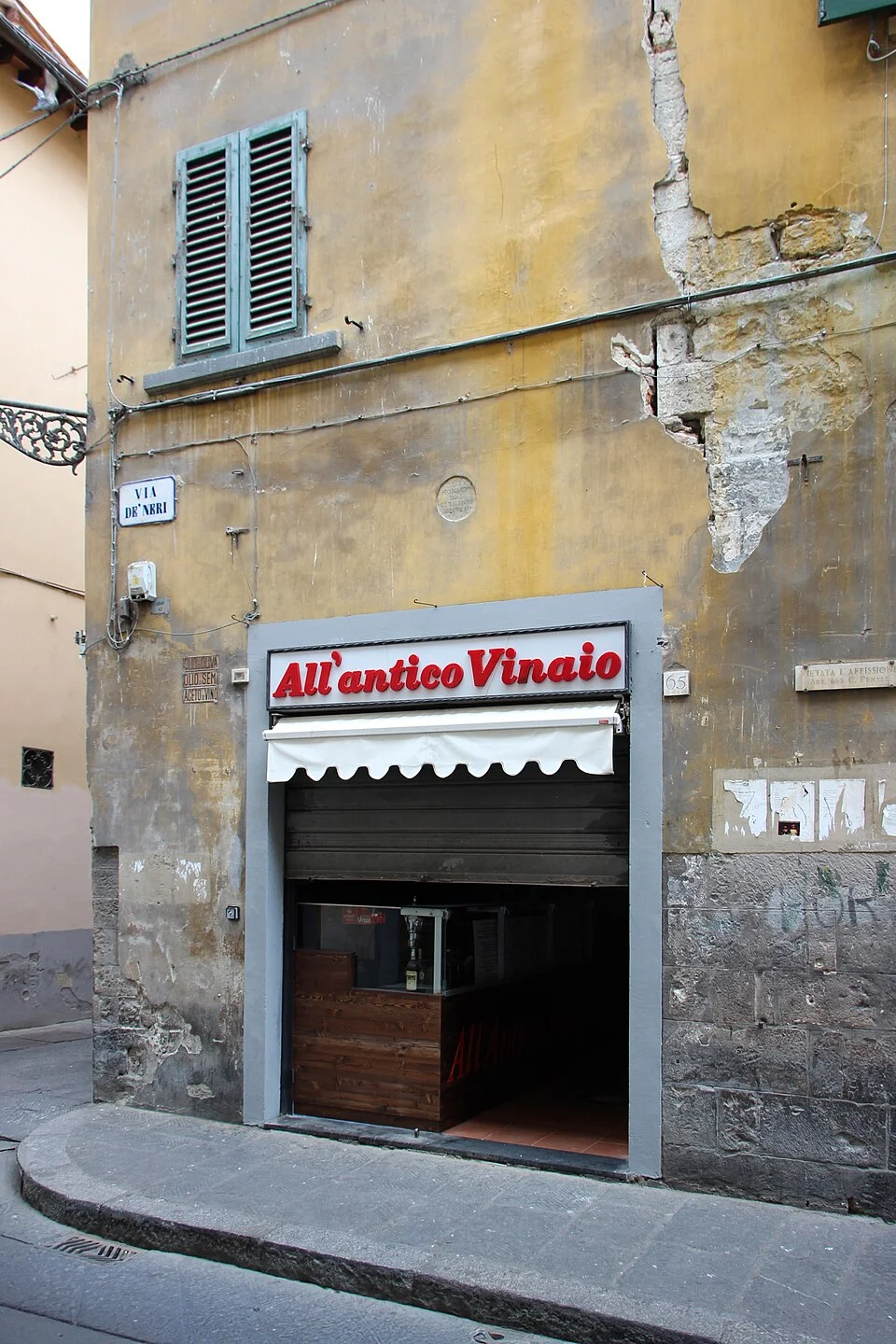
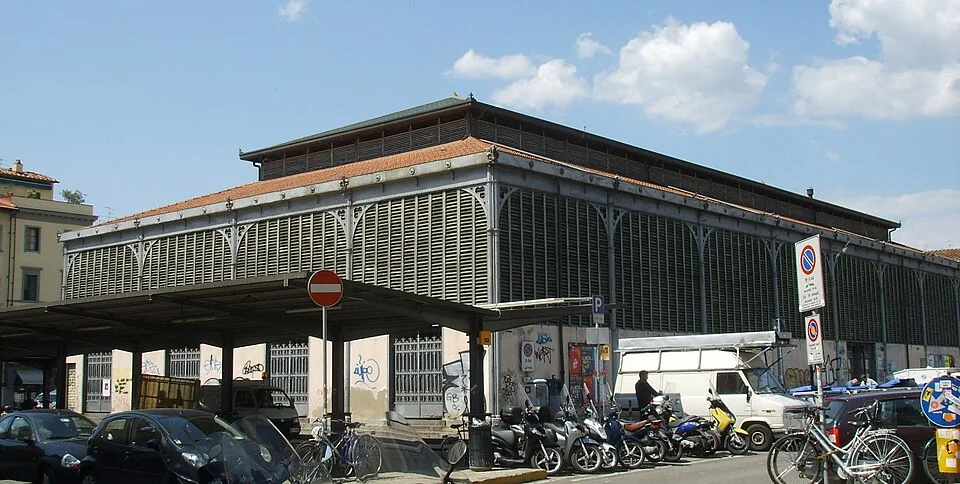
There's something that has always fascinated me about Florence: a city that created the Renaissance also invented the bistecca alla fiorentina. Because here, art was never separated from pleasure, and eating well is just another form of beauty. This journey is my way of showing you how I savour my city when I want to feel it with my hands, with my nose, with that hunger that isn't just in the stomach. You start at the Mercato Centrale di San Lorenzo, where beneath the nineteenth-century iron structure the vendors shout prices like they're reciting poetry. From there I take you to All'Antico Vinaio — yes, there'll be a queue, but that schiacciata with finocchiona deserves every minute of waiting. Buca Mario, on the other hand, is another world entirely: a vaulted cellar where they've been serving since 1886 and where the ribollita tastes exactly the way it should. Between courses, a Chianti tasting at Enoteca Alessi teaches you that Tuscan wine isn't drunk — it's conversed with. And you finish at Il Latini, under hams hanging from the ceiling, where strangers share tables and end up toasting together. Florence gives herself to those who eat with the same attention they'd give a fresco. Let your palate be your guide through these streets — I promise you'll remember the flavours just as vividly as the domes.
Florence with Family: Adventure between Geniuses
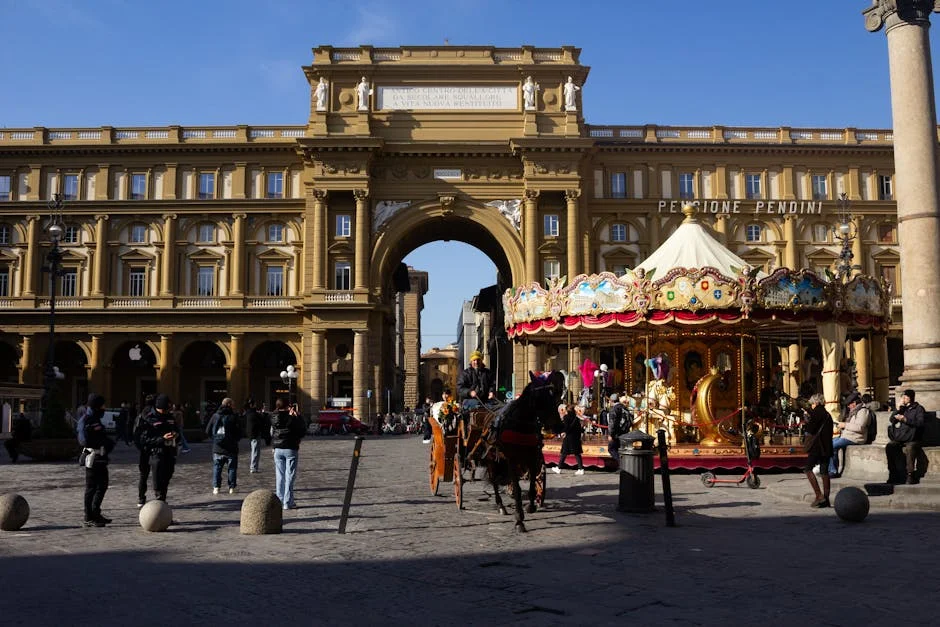
There's something that moves me deeply when I see a child stop in front of Galileo's instruments at his museum by the Arno and suddenly realize that the bearded man in the paintings gazed at the stars with the very same curiosity they do. The Museo Galileo is my favorite way to kick off a family day — it's not some solemn temple, it's a workshop of ideas where little ones can touch, spin, and discover that science was literally born here, among these stones. After that, the hands switch trades. In an artisan gelato workshop, you'll learn to blend flavors the way you'd blend pigments into a fresco — and I promise your kids will remember that moment long after any selfie fades. For lunch, Buca Mario has been serving under its brick vaults since 1886; order the ribollita and let the waiter tell you its story, because in Florence even the soup has a biography. The afternoon awaits at Santa Croce, where Galileo, Michelangelo, and Machiavelli all rest under the same roof. Watch how the late sun cuts through the stained glass and paints colors across the marble floor — it's the kind of beauty that needs no explanation, not even for a five-year-old. And when you step outside, cross the piazza to Vivoli: the city's oldest gelato shop, scooping since 1930, where every cone tastes like a reward you've earned. Florence with kids isn't something you visit — you live it at their height, with sticky hands and wide-open eyes.

Rebel Florence: Oltrarno, Artisans and Murals
There's a Florence that doesn't show up in audio guides, and it pulses on the other side of the Arno. The Oltrarno smells of carpenter's glue, hand-worked leather, and coffee someone is brewing without any rush. I grew up listening to the hammer of artisans in their botteghe — bookbinders, gilders, frame restorers who've been in the same Via Maggio workshop for three generations. Walking among them isn't tourism: it's glimpsing a way of life that Brunelleschi himself would still recognise. After wandering the workshops, sit down at Trattoria Sabatino on Via Pisana. There's no translated menu here, no photos on the door — just honest ribollita and house wine that costs less than an espresso in the centre. From there, Piazza Santo Spirito awaits you with its bare, unfinished façade, as if Florence decided that perfection is boring. On weekends, the stone benches fill with people who have absolutely no plan, and that's exactly what you need. Lose yourself afterwards in the Mercato delle Pulci, hunting for antique prints or ceramics with a story behind them, and finish at Volume Firenze, where books share space with glasses of natural wine and conversations that spark between strangers. This is the Florence I want to show you: the rebel, the one that paints murals over Quattrocento walls and doesn't ask permission. Come discover it with your hands, not just your eyes.
Exclusive Florence: Palazzo Pitti, Haute Cuisine and Chianti
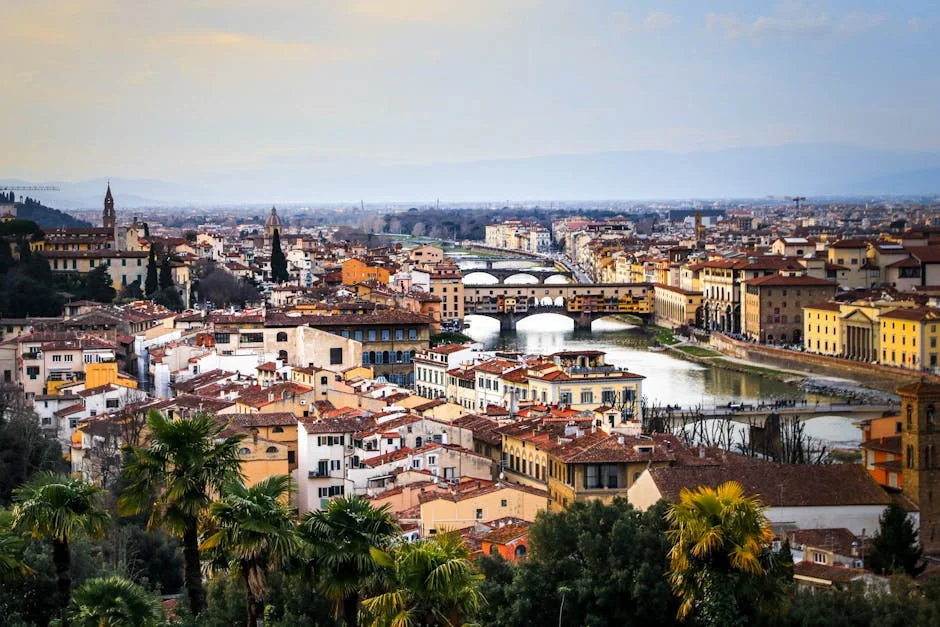
There's a Florence that only reveals itself when you stop looking for it. This experience begins at Palazzo Pitti, but not the way you'd expect: the Palatine Gallery isn't your typical museum — it's the Medicis' private collection displayed exactly as they lived with it, Raphaels and Titians hung one above the other in frescoed halls that force your gaze upward. There's a corner in the Sala di Saturno where the afternoon light turns the Madonna della Seggiola into something almost alive — and that moment, trust me, makes crossing the Arno worth every step. After that, Florence is best enjoyed through your palate. Osteria dell'Enoteca has that Tuscan honesty that needs no embellishment: ingredients that speak for themselves. From there, a stroll down Via de' Tornabuoni where high-end luxury lives side by side with Quattrocento facades — few streets in the world blend today's elegance with five centuries of stone quite like this. The afternoon calls for a private tasting of Chianti and Brunello, because trying to understand Tuscany without its wine is like staring at Brunelleschi's dome without ever looking up. The day ends at Il Palagio, in the Four Seasons garden, where every dish is a conversation between tradition and daring. This isn't the Florence of queues and selfies — it's the one you discover when you let yourself be guided by someone who's spent a lifetime getting lost in its streets.

Florence Express: The Essentials in a Day
There's something nobody tells you about Florence: the city changes its mood depending on the hour. In the morning, when the light is still shy, Brunelleschi's dome seems to float above the rooftops like a promise. Start there, by the Duomo, and climb Giotto's Bell Tower — not for the workout, but because from up top you finally understand how this place was designed: every street, every piazza, every loggia exists for a reason. Head down to Palazzo Vecchio and let yourself get lost in its halls. There's a Vasari fresco in the Salone dei Cinquecento that supposedly hides a lost Leonardo battle scene underneath. That's Florence for you: always keeping a secret beneath the surface. Then walk slowly through the Signoria until you cross the Ponte Vecchio, where goldsmiths are still working the way they have for centuries. On the other side, the Oltrarno awaits — my neighbourhood, where the city breathes differently. And before you cross, stop at Trattoria Sostanza — order the artichoke butter and don't ask about the calories. Some things are sacred. When the sun starts to dip, climb up to Piazzale Michelangelo. You'll see all of Florence bathed in gold and you'll understand why the Quattrocento painters were obsessed with light. That moment is yours. Go find it.
Florence like a Florentine: Neighborhoods, Rituals and Secrets
There's a Florence that doesn't make it into the guidebooks, and it's the one that smells of roasted coffee at eight in the morning at Caffè Rivoire, when Piazza della Signoria hasn't yet filled up with umbrellas and selfie sticks. That's where it all begins: with an espresso that tastes like ritual, with golden light pouring through the windows the way it must have poured into Ghirlandaio's workshop five centuries ago. That's the Florence I want to show you — the one where everyday gestures become small ceremonies. After that, Mercato di Sant'Ambrogio is going to mess up whatever ideas you had about this city. No marble, no domes: just ladies arguing over the price of lampredotto and greengrocers who'll slip you a basil leaf if they like your face. And speaking of lampredotto — the one at I' Trippaio is a trial by fire. If you try it with the green sauce and don't flinch, you're already a little bit Florentine. It's the most honest dish in the city, the one Oltrarno craftsmen still eat standing up, leaning against the counter, the way it's always been done. The afternoon is for crossing the river and letting yourself drift into Piazza Santo Spirito, where aperitivo moves at that slow tempo that only exists in squares that still belong to the neighbourhood and not to tourists. Brunelleschi's unfinished basilica facade watches you from across the way, imperfect and beautiful, like everything authentic. And when hunger comes back around, Trattoria dell'Orto is waiting with the kind of Tuscan cooking that doesn't need embellishment. Trust me on this: order whatever the table next to you is having.

Artisan Florence: Hands That Guard Centuries of Knowledge
There is a rhythm in Florence that you only notice when you stop running from one point to another. The Florence of the workshops: the oldest perfumery in the world, marbled paper, leather in a basilica, silk from the 18th century and goldsmiths from the Ponte Vecchio. ### The tour The tour begins at **Officina Profumo-Farmaceutica di Santa Maria Novella**, where the day comes to life from the first moment. Afterwards, the route takes you to **Il Torchio: Hand-Marbled Paper Workshop** and **Scuola del Cuoio in Santa Croce**, two stops that complement each other and create a contrast that enriches the experience. And here comes the good thing: **Antico Setificio Fiorentino: Silk as Three Centuries Ago** is the point where everything takes on a new meaning. The day culminates in **Goldsmiths of the Ponte Vecchio at Sunset**, a perfect closing that summarizes everything Florence has to offer. The slow philosophy in Florence is not a fad — it is the natural way of life of its inhabitants. This slow plan invites you to put down the map, forget about the clock and let the city guide you at its own pace. Each stop is meant to be savored, not crossed off a list. ### Florence in context Florence is not a city that surrenders to the first walk. It has layers: one superficial, accessible and beautiful, and another deeper one that only reveals to those who take the time to look for it. The neighborhoods have different personalities, the schedules dictate their own rhythm and the seasons of the year transform the experience radically. Really getting to know Florence means understanding those nuances — and this plan is designed so that you perceive them from the first stop. ### What to expect from this day Don't expect a conventional tour guide tour. This experience is designed so that each transition between stops is part of the enjoyment — the walks between points, the chance discoveries along the way, the improvised stops that arise when something catches your attention. The rhythm is flexible: you can follow it to the letter or use it as a structure on which to improvise. The important thing is that each moment has meaning and contributes something to the overall experience. ### Why this experience is different As a local, I tell you that the combination of stops is not accidental: each point connects to the next, creating a narrative thread that gives meaning to the whole. It's not a list of places — it's a story told by walking. If you follow this route, you'll have experienced Florence like someone from here — and that's the most a visitor can hope for. ### What you need to know before you go This plan is designed for a full day, although it can be adapted according to your pace and preferences. Most stops are connected by foot or public transportation, allowing you to enjoy the tour without logistical stress. If you travel during high season, we recommend starting early to avoid crowds at the most popular spots. And a tip that applies to any experience in Florence: ask the locals. They always have a recommendation that you won't find in any guide. If you follow this plan, at the end of the day you will feel that Florence is not just a destination you have visited, but a place you have lived. And that difference, no matter how small it may seem, changes everything.
Frequently asked questions about Florencia
What to do in Florencia in one day?
Let'sJaleo offers 9 curated experiences in Florencia, each designed by local experts. Some popular options: Renaissance Florence: Uffizi, Duomo and Genio, Florence at Sunset: Bridges, Gardens and Wine, Flavors of Tuscany: Markets, Chianti and Bistecca, Florence with Family: Adventure between Geniuses, Rebel Florence: Oltrarno, Artisans and Murals.
How many experiences are available in Florencia?
There are currently 9 experiences available in Florencia, covering profiles such as cultural, foodie, family, instagrammer and more.
What types of experiences are there in Florencia?
In Florencia there are experiences for every style: cultural (museums and heritage), foodie (local gastronomy), family (activities for kids), instagrammer (photogenic spots), local (authentic neighbourhoods), slow (relaxed pace), VIP (premium experiences) and express (the essentials in a few hours).
Is it free to use Let'sJaleo in Florencia?
Yes, exploring experiences and using Let'sJaleo is completely free. You only pay if you decide to book specific activities through our trusted partners.
Activities in Florencia
Explore all activities with filters and interactive map