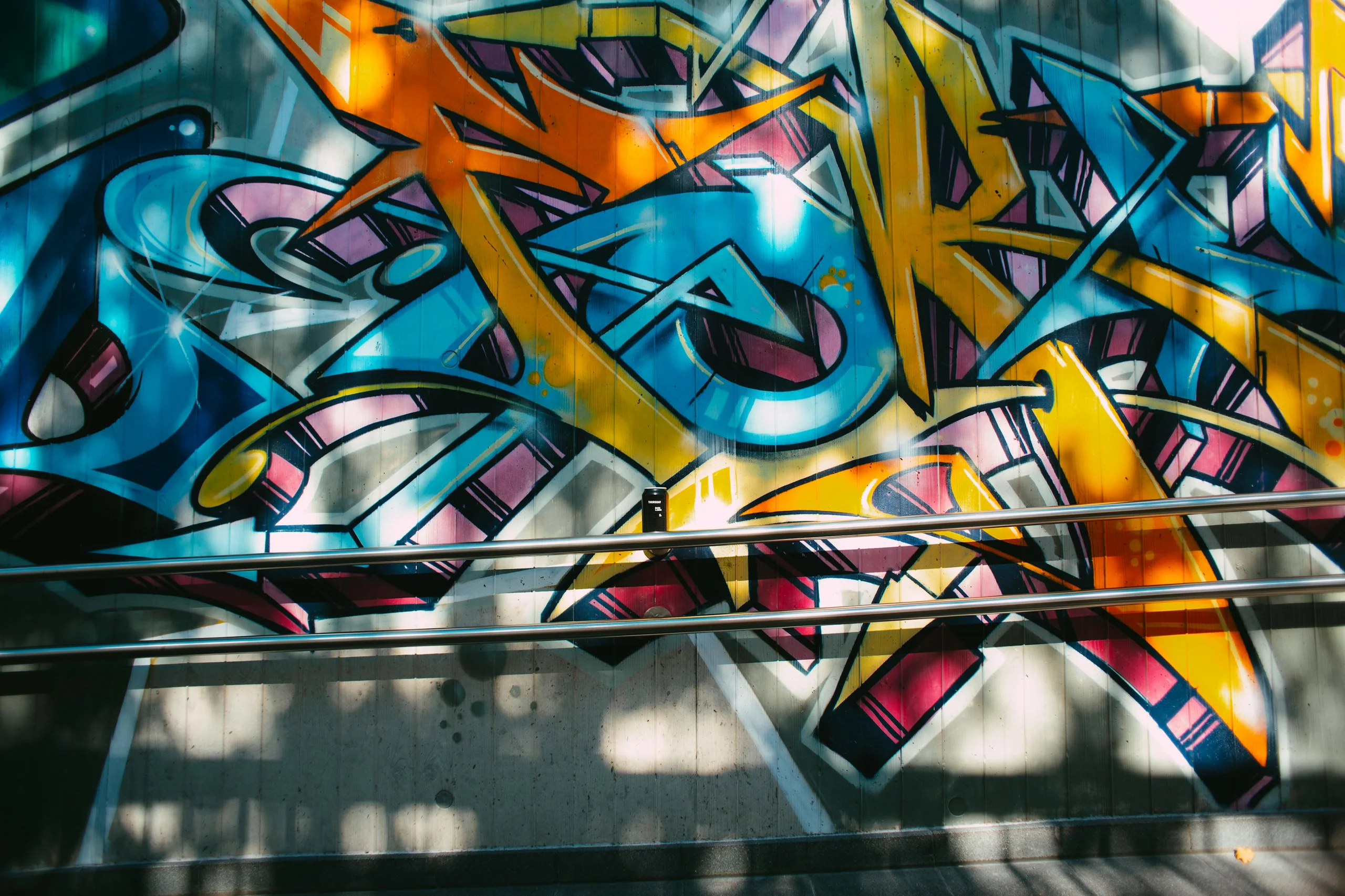
Realejo Street Art
Did you know that Street Art del Realejo guarda uno de los secretos mejor preservados de Granada.
Did you know that Street Art del Realejo guarda uno de los secretos mejor preservados de Granada?
Bajas del Albaicín y cruzas hacia el lado opuesto de la ciudad, donde el antiguo barrio judío de Granada se ha reinventado como el epicentro del arte urbano más vibrante del sur de España. El **Realejo** no es un museo al aire libre en el sentido convencional: es un barrio vivo donde los murales conviven con la vida cotidiana de sus vecinos, donde las obras de arte aparecen y desaparecen con las estaciones, y donde cada fachada cuenta una historia que solo se entiende mirando de cerca.
El protagonista indiscutible es **El Niño de las Pinturas**, el artista granadino Raúl Ruiz, cuyos rostros enormes y miradas penetrantes se han convertido en símbolo visual de la ciudad. Sus obras están repartidas por todo el Realejo: caras que emergen de las paredes con expresiones que oscilan entre la melancolía y la esperanza, acompañadas de frases manuscritas que funcionan como poesía callejera. "Si no puedes llegar, invéntate el camino", lee una pared en la **Calle Molinos**. "Llevo tu luz y tu aroma", susurra otra en un callejón sin nombre. Cada mural es un retrato emocional de la ciudad y de quienes la habitan.
Pero el Realejo no es solo El Niño. En los últimos años, artistas locales e internacionales han sumado sus voces al barrio. Encontrarás piezas abstractas que juegan con la geometría y el color, retratos hiperrealistas que confundes con fotografías a primera vista, stencils políticos que comentan la actualidad con ironía afilada y pequeñas intervenciones casi invisibles —un ojo pintado en una cerradura, un pájaro posado en una tubería— que premian al paseante atento.
La **Plaza del Padre Suárez** es un buen punto de partida para explorar. Desde aquí puedes seguir hacia la **Cuesta del Caidero**, donde los murales se concentran en espacios especialmente fotogénicos, con escaleras de piedra y arcos de ladrillo que enmarcan las obras como si fueran cuadros colgados en una galería. La **Calle Molinos** y sus alrededores ofrecen la mayor densidad de piezas por metro cuadrado, y cada visita revela algo nuevo porque los artistas trabajan sobre lo existente, renuevan, transforman, dialogan con las capas anteriores.
Lo fascinante del Realejo es el contraste. A pocos metros de un mural contemporáneo puedes encontrar una portada renacentista del siglo XVI, una iglesia mudéjar con artesonado de madera o un patio de vecinos con ropa tendida al sol. El arte urbano no ha borrado la historia del barrio: la ha amplificado, le ha dado una segunda voz. Tu cámara alterna entre lo antiguo y lo nuevo, entre la piedra y el spray, y descubres que en el Realejo todo convive sin conflicto. Aquí la creatividad no pide permiso: simplemente aparece, transforma y se queda.
## What makes this place special
Como guía local, lo que más valoro de Street Art del Realejo es que es accesible para todos. No necesitas ser un experto ni preparar nada especial — solo venir con ganas de disfrutar. Eso sí, hay algunos trucos que pueden hacer tu visita mucho mejor. El primero: llega 15-20 minutos antes de la apertura. El segundo: no subestimes la tienda o el bar de la esquina — a veces lo mejor está donde menos esperas.
Lo encontrarás en Barrio del Realejo, 18009 Granada — una ubicación privilegiada que ya de por sí merece el paseo.
## Fun fact
Lo que hace verdaderamente especial a Street Art del Realejo no es solo lo que ves o lo que comes — es la sensación de estar en un lugar que los propios habitantes de Granada valoran y frecuentan. No es un escenario para turistas, es un trozo de vida local que ha abierto sus puertas para que tú también lo disfrutes. Cada visita es diferente porque el lugar respira con la ciudad: cambia con las estaciones, con las horas del día, con el humor de la calle.
## Practical tip
Cualquier momento del día tiene su encanto, pero los locales tienen sus preferencias — pregunta cuando llegues. Con un presupuesto de €, obtienes una de las mejores relaciones calidad-experiencia de Granada.
If you're planning your day in Granada, Street Art del Realejo fits perfectly tanto como parada principal como descubrimiento inesperado. Y si te queda tiempo, explora los alrededores — the neighbourhood has much more to offer de lo que parece a primera vista.
About this activity
You descend from the Albaicín and cross into the Realejo, the old Jewish quarter that is now the epicentre of Granada's street art scene. Here the facades speak: huge faces painted by El Niño de las Pinturas watch you from the walls with melancholy eyes and handwritten letters. Every mural tells a story, every corner hides a new piece. You wander through Calle Molinos, Plaza del Padre Suárez and narrow lanes where colours burst against grey stone. It's a museum with no doors or opening hours, where your phone camera is the ticket. Here you don't look for the photo: the photo finds you.
Practical information
Reviews
Be the first to review this activity