Plans in lyon
Choose your profile:
Plans in
Lyon Heritage: From Fourviere to Vieux Lyon
There's a way to walk through Lyon that leaves the taste of twenty centuries on your tongue, literally. Start at the top, in Fourvière, where the basilica greets you with those golden mosaics that glow even on grey days — and Lyon gets plenty of those, I won't lie. From there, walk down a bit and you're standing in the Roman theatre, the oldest in France, where you can still sit on the stone and hear how the wind carries sound without needing a microphone. Two thousand years of architecture before lunch, as it should be. And lunch, here, means Daniel et Denise on Créqui. Order the quenelle de brochet and don't ask about the calories — this is Lyon, we don't do that. The dumpling should tremble on the spoon, light on the outside, dense within. If the waiter recommends the pâté en croûte, trust him — they've earned that right with recipes that don't change because they don't need to. Afterwards, wander down and lose yourself in the traboules of Vieux Lyon. Push the doors that look closed — most of them give way — and slip through those passageways where the silk workers moved their fabric centuries ago. End at the Museum of Fine Arts, which we locals call the little Louvre, though I find it more honest: fewer tourists, more room to breathe in front of a Monet without anyone stepping on your heels.
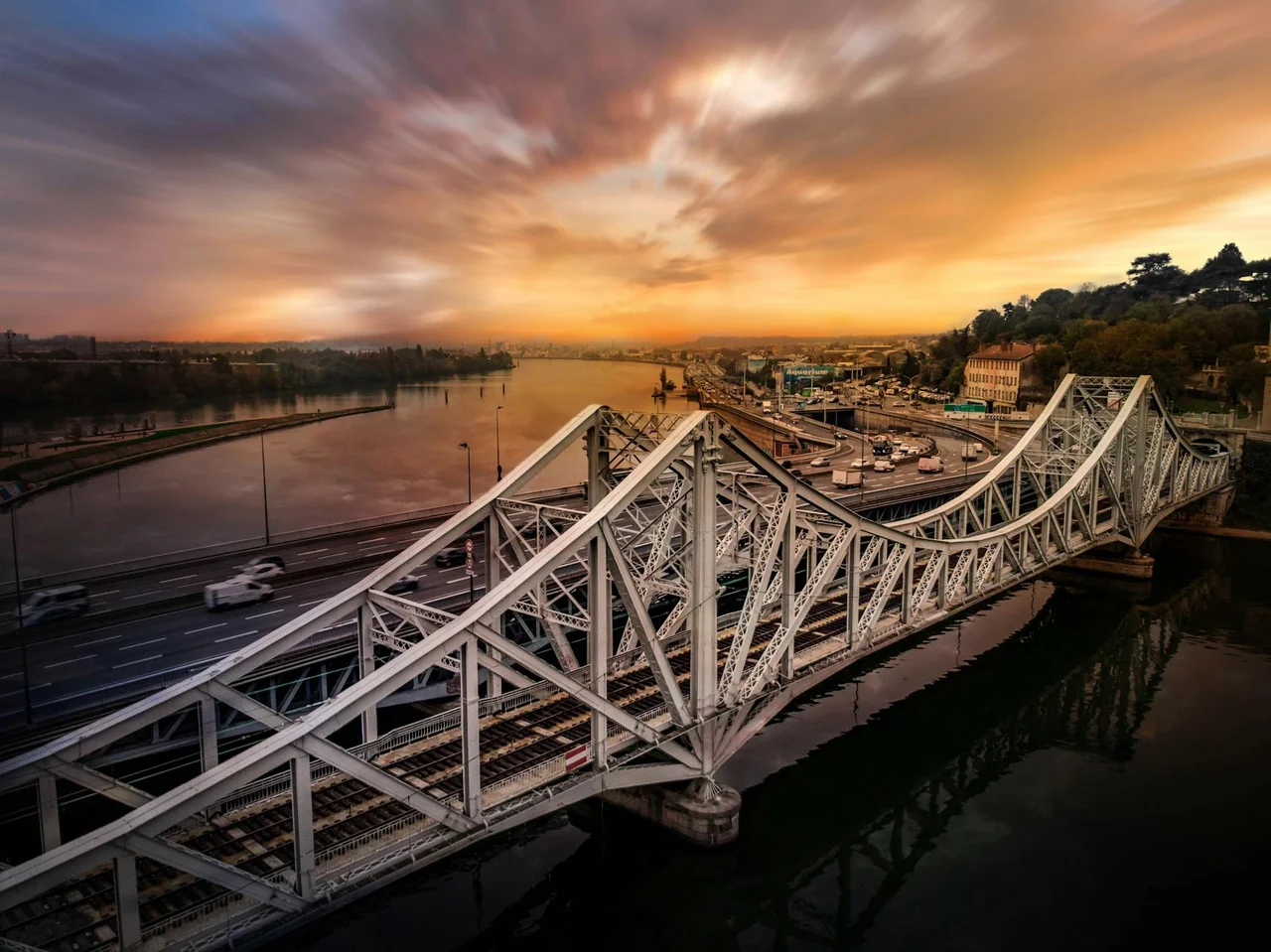
Lyon at Dusk: Romance between Two Rivers
The Saône at sunset turns a colour that doesn't exist at any other time of day. A thick, almost edible gold that washes over the façades of Vieux Lyon and makes you slow down without realising it. I always say this city is best understood through the stomach, but there are evenings when you understand it through your skin — that warm breeze drifting up from the river while you walk along the banks with someone who matters to you. The riverside stroll is just the appetiser. From the water, on a river cruise, Lyon reveals a different side of itself: you see how the two hills face each other, how the bridges frame the light. And when you step off, the hunger arrives right on cue. Pignol has been serving pastries since 1946 — the kind that make you close your eyes with every bite. Their pink praline tart is Lyon in its purest form. If the evening calls for something more serious, Takao Takano blends local Lyonnais produce with Japanese precision in a way that even I, as a purist, have to call brilliant. Every dish honours the ingredient without hiding it. The finale is Fourvière at night. You climb up and both rivers are at your feet, the lights of the Presqu'île tracing the map of everything you've just experienced. It's not a tourist viewpoint — it's the moment you understand that Lyon, at sunset, doesn't need to compete with anyone.
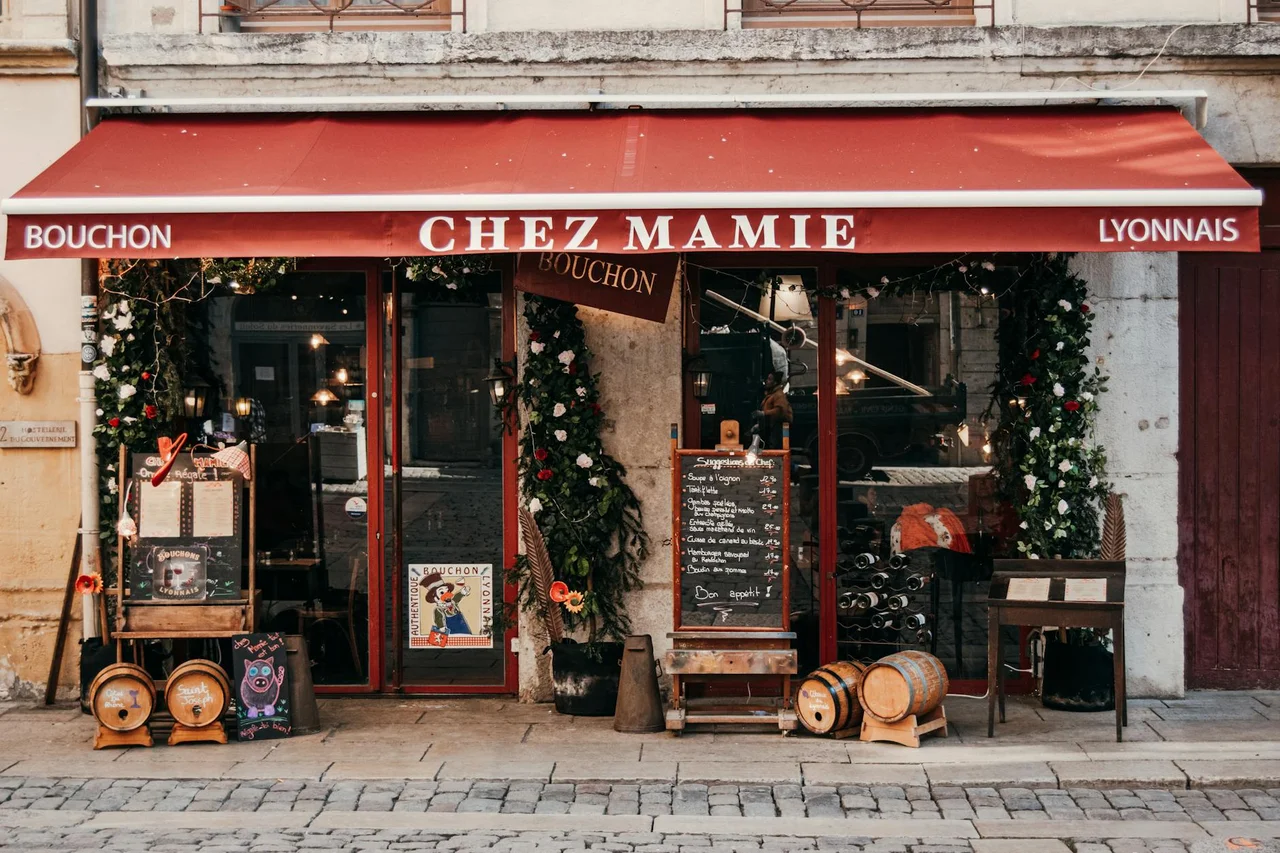
World Capital of Gastronomy
Every city has a dish that defines it. Lyon has hundreds. And I'm not talking about starred restaurants where you need to book three months ahead — I'm talking about those bouchons with checkered tablecloths where the patronne serves you the quenelle de brochet without asking if you want it, because of course you want it. This experience starts where every serious food conversation in Lyon starts: at Les Halles Paul Bocuse. Over sixty stalls where the fromagers cut your Saint-Marcellin at the exact right moment and the charcutiers argue about rosette like they're defending a doctoral thesis. From there, a gastronomic tour through the bouchons of Vieux Lyon, those century-old taverns where the mâchon — the workers' breakfast at six in the morning — is still sacred. At Bouchon Les Lyonnais you'll understand why tablier de sapeur carries that name: crispy on the outside, melt-in-your-mouth inside, with a gribiche sauce that makes everything right again. Then, a sweet detour through Chocolaterie Sève on the Presqu'île, where Richart Sève works praline with a precision that's almost dizzying. And to finish, the temple: Restaurant Paul Bocuse in Collonges, with its painted facade and the truffle soup VGE that's been served since 1975. You don't visit Lyon. You chew it, smell it, swallow it whole. And when you get home, the only souvenir that matters is that taste of butter and dignity that no other city knows how to replicate.
Lyon with the Family: Adventure for Young and Old
When you have kids, the temptation is to dumb things down. Go for the easy option, the obvious one, the place with a slide. But in Lyon you can do better than that: teach them to eat well from a young age and let the wonder come as a bonus. Parc de la Tête d'Or is the logical starting point — lake, animals, room to run — but what's really going to stay with them is the Musée des Confluences. That impossible building where the Rhône and the Saône meet has something that mesmerises kids: the species hall, the suspended skeletons, architecture that looks like some beached creature. It's going to blow their minds, trust me. And afterwards, a boat ride along the Saône brings them back down to earth. The rhythm of the water, the facades of Vieux Lyon reflected on the surface, that strange stillness you only get on a river between two hills. For lunch, forget the classic bouchon with children — quenelles and andouillette are not battles you want to pick on a Tuesday. Pizza Cosy on the Presqu'île does proper sourdough bases and the little ones demolish them. And if by the afternoon you need a craft beer while they finish off their chips, Ninkasi in Guillotière is that big, gloriously noisy place where nobody gives you a look if someone shrieks. Lyon with family isn't Lyon watered down — it's showing them that a city is something you taste, smell, and touch. That your stomach has a memory too.
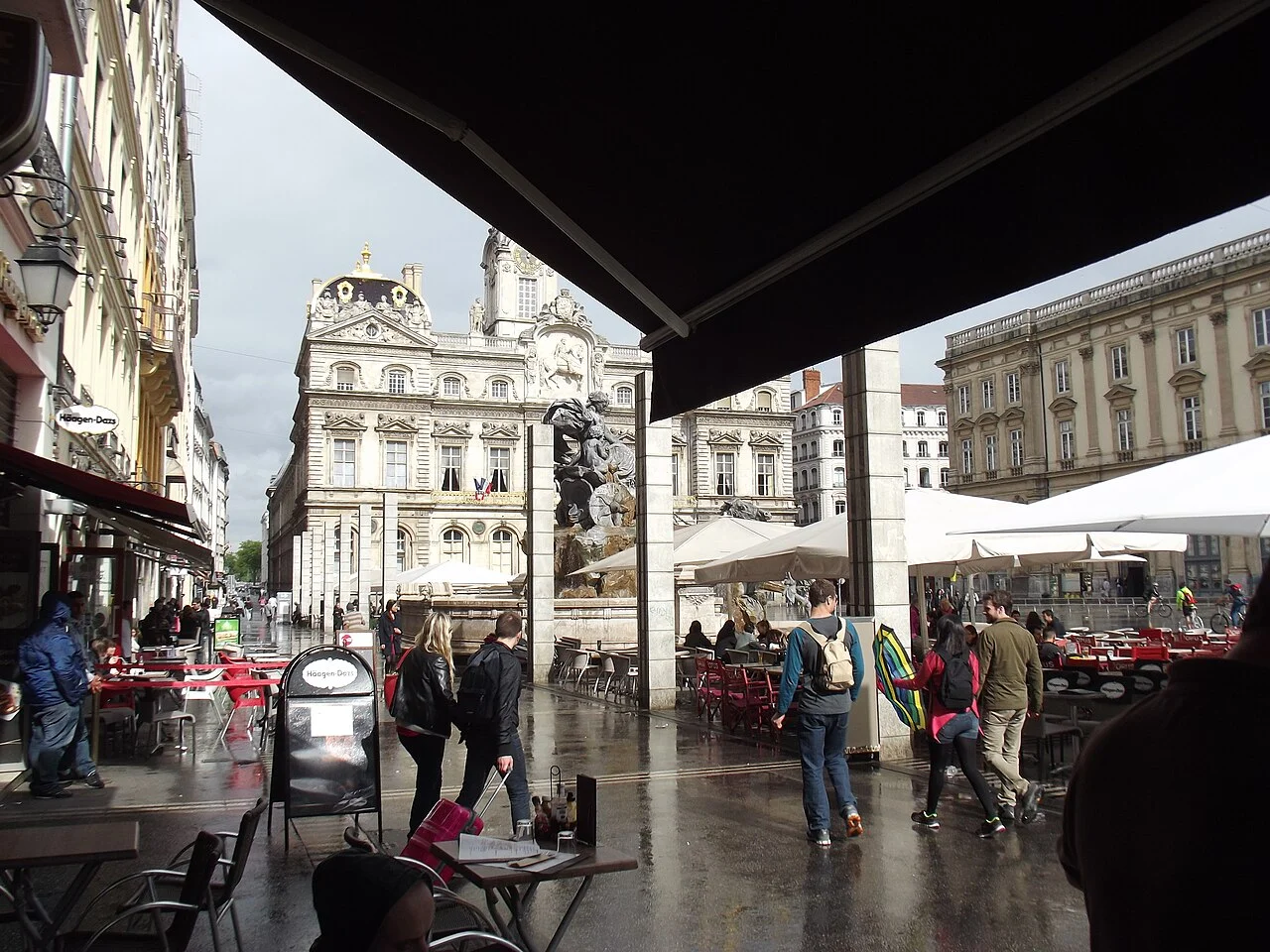
Lyon Underground: Urban Art and Bohemian Neighborhoods
Croix-Rousse smells different from the rest of Lyon. It's not the buttery warmth of a bouchon or the steam rising off a freshly made quenelle — up here it smells like spray paint, small-batch roasted coffee, and that electric hum you only get in neighborhoods where people are actually making things. And I say this as someone who's spent her whole life arguing that Lyon is a stomach before anything else. But this route made me eat my words, and that doesn't happen often. The street art tour through the Croix-Rousse slopes changes how you see things. Every wall has something to say, and when you reach the Mur des Canuts — that twelve-hundred-square-metre painted façade where the neighbourhood's own residents appear life-sized — you understand that art here isn't decoration, it's identity. Afterwards, Le Kitchen Cafe welcomes you with generous tartines and coffee that respects the bean — unpretentious but with standards. It's the kind of place where the waiters have tattoos and opinions about fermentation. The afternoon calls for Le Sucre, up on the rooftop of La Sucrière, where the electronic music and the views over the Confluent catch you completely off guard. And to close it out, Chez Terra: honest cooking, local produce, dishes that genuinely taste of the land. Because even when Lyon goes bohemian, it always brings you back to the table. It always comes back to the table.
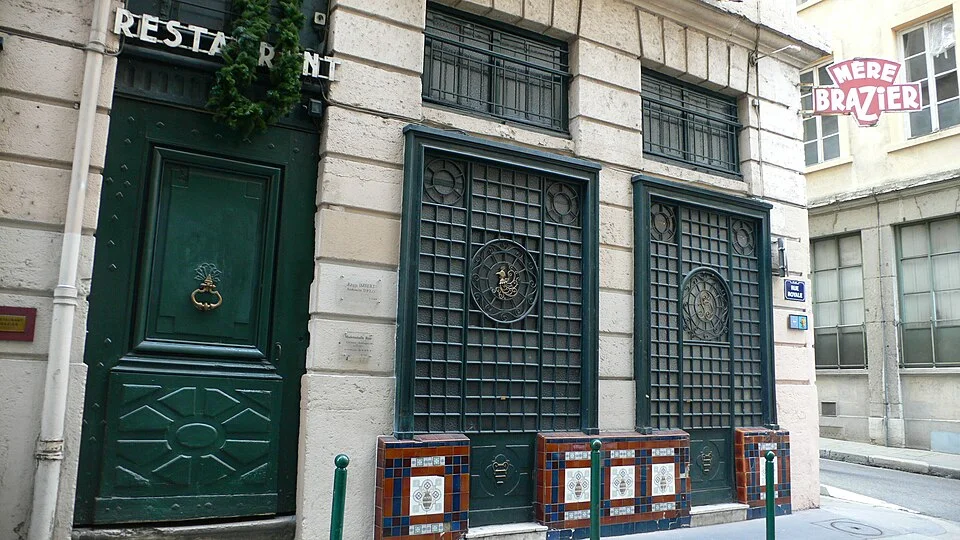
Luxury Lyon: Exclusivity and Haute Gastronomy
Let me be clear: Lyon doesn't need luxury labels. Here, exclusivity means authenticity taken to its absolute peak. This experience starts with a historian guide who won't deliver some textbook lecture — they'll open doors that even locals don't know about, traboules that smell of damp fifteenth-century stone, corners where silk and cuisine wrote this city's story. Then, La Mère Brazier. Listen carefully: this is the restaurant where Eugénie Brazier became the first person to earn six Michelin stars. Two establishments, three stars each, in 1933. Sitting there means sitting where modern French haute cuisine was born. Every dish still speaks of her. After that, Rue Herriot will surprise you with its boutiques, but don't come looking for the same brands you'd find in any capital — here, textile craftsmanship has its roots in the canuts, the silk weavers of Croix-Rousse. The private Rhône wine tasting changes the way you understand a Côte-Rôtie: you'll learn to identify Ampuis syrah with your eyes closed. And the finale, L'Auberge de Paul Bocuse in Collonges — that red and green painted façade you'd recognise from any photo — is where the quenelle de brochet reaches something I can only describe as liquid perfection. This is my Lyon: the one you savour unhurried, glass in hand.
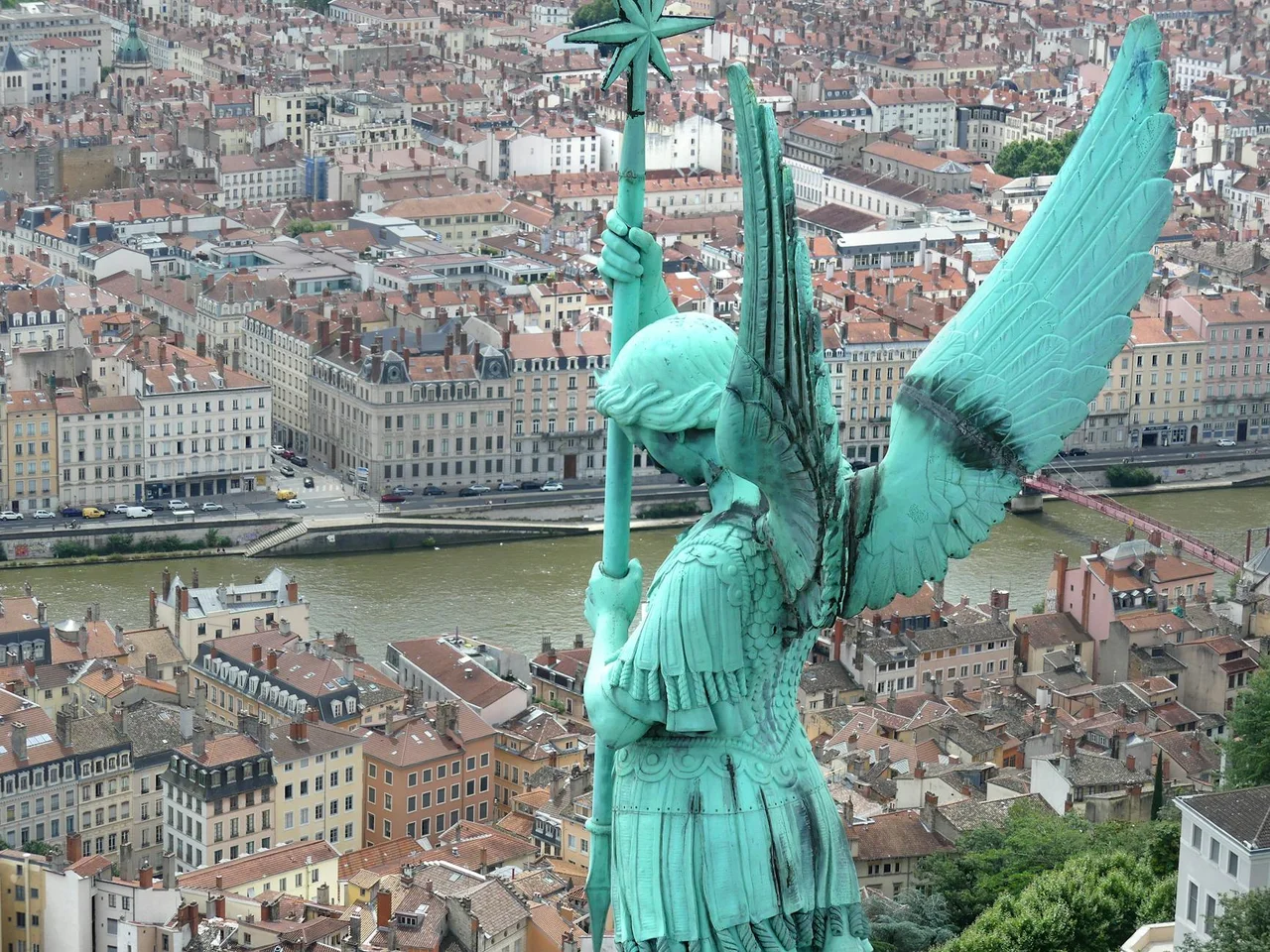
Lyon Express: The Essential in a Day
Lyon is best discovered from above. When you reach Fourvière at first light, the entire city unfolds beneath your feet like a tablecloth laid out for a feast —and in a way, that's exactly what awaits you. From there, the descent through the traboules of Vieux Lyon is pure instinct: those hidden passageways that Renaissance silk merchants used to shield their fabrics from the rain now hold a silence that smells of damp stone and centuries of history. Don't miss the traboule at Cour des Voraces in Croix-Rousse, with its monumental staircase that will leave you absolutely speechless. After all that walking, your body craves what Lyon does better than anywhere else: eat. Comptoir Abel, the city's oldest bouchon —open since 1928— welcomes you with its checkered tablecloths and that wine-sauce aroma soaked into the very walls. Order the quenelle de brochet and don't you dare ask about calories. Then, crossing over to Bellecour and the Presqu'île is like stepping between centuries without even trying: from medieval Lyon to the grand boulevards where life buzzes across sun-drenched terraces. And if the day calls for one last stop, Terroir Lyon brings you back to the essentials with market-fresh produce that tastes like the real thing. This is my Lyon in a day: one you climb, walk, breathe in, and devour. Make it yours — but make sure you bring your appetite.
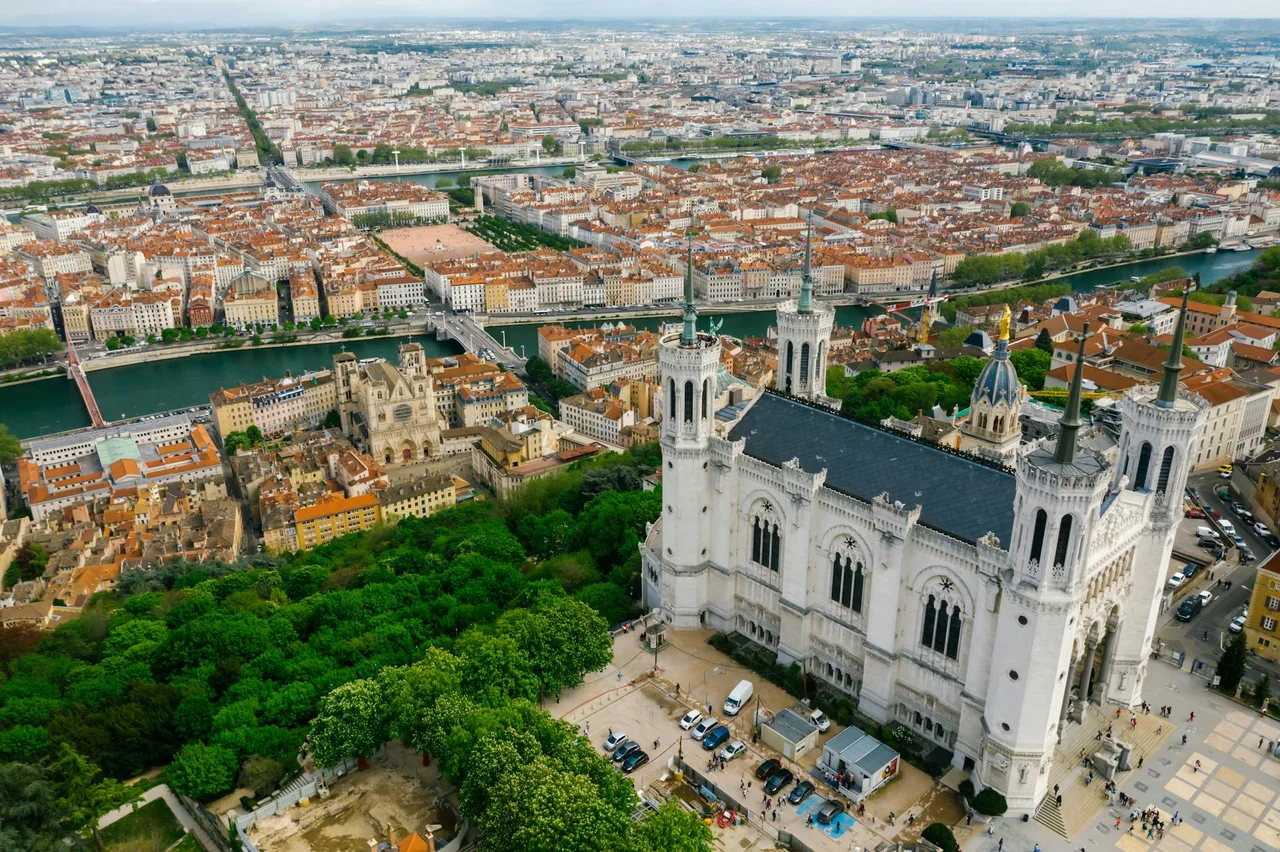
Instagrammable Lyon: The Most Photogenic Spots
I'll be honest: when someone suggested "Instagrammable Lyon" I nearly rolled my eyes. But then I looked at the route and thought: okay, fair enough, because this city is every bit as photogenic as it is delicious. And that's saying a lot. You start at the Mur des Canuts up in Croix-Rousse, where the old silk weavers built their world. That trompe-l'oeil mural stands seven storeys tall and tricks your eye the way a good quenelle tricks your palate: it looks simple, but there's serious craft behind it. From there you slip into the traboules of Vieux Lyon — those hidden passageways connecting Renaissance buildings that we locals used to move silk without getting it wet. The light pouring through the inner courtyards mid-morning is the kind no filter can improve. Then you stop at Slake Coffee House, where Lyon proves it doesn't live on beaujolais alone: a flat white with a praline rose pastry and you've got both the photo and your stomach sorted. The afternoon gets serious at the Musée des Confluences, that impossible building where the Rhône and the Saône meet. Coop Himmelb(l)au's architecture looks like a crystal about to take flight, and from the terrace you can watch the two rivers merge. But save your battery for Fourvière at sunset: when the light drops over the ochre rooftops and the basilica turns gold, you understand why this city never needed to compete with anyone. Climb up, shoot away, then head down for dinner at a bouchon. Because in Lyon, even the photos taste better with a tablier de sapeur on the table.
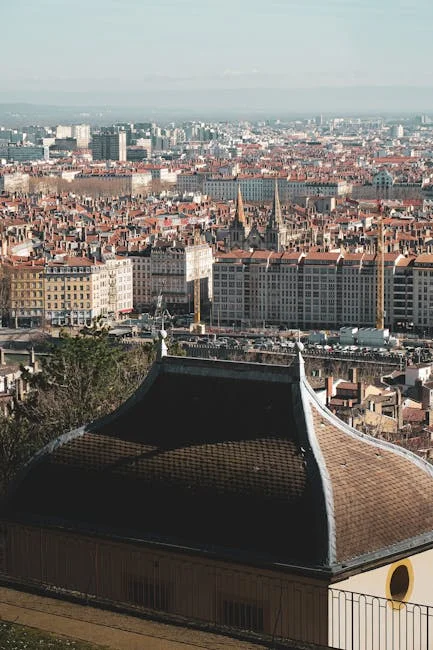
Gastronomic Lyon: World Capital of Cuisine
For a foodie, Lyon is an amusement park. Every corner has a flavor, every neighborhood a culinary tradition. The gastronomic capital of France: Les Halles, authentic bouchons, medieval Old Lyon and Fourvière with a breathtaking panoramic view. ### The tour The tour begins at **Les Halles de Lyon Paul Bocuse**, where the day comes to life from the first moment. Afterwards, the route takes you to **Vieux Lyon and the Secret Traboules** and **Bouchon Chez Abel: Authentic Lioness Cuisine**, two stops that complement each other and create a contrast that enriches the experience. But the experience doesn't end there — **Basilica de Notre-Dame de Fourviere** is the point where everything takes on a new meaning. The day culminates in **Sunset Walk along the Banks of the Rhône**, a perfect closing that summarizes everything Lyon has to offer. For a foodie, Lyon is a destination that requires several days. But if you only have one, this tour concentrates the essentials: the markets that locals really frequent, the preparations that define the culinary identity of the area, and the places where the product rules the decoration. ### Lyon in context Lyon is not a city that surrenders to the first walk. It has layers: one superficial, accessible and beautiful, and another deeper one that only reveals to those who take the time to look for it. The neighborhoods have different personalities, the schedules dictate their own rhythm and the seasons of the year transform the experience radically. Really getting to know Lyon means understanding those nuances — and this plan is designed so that you perceive them from the first stop. ### What to expect from this day Don't expect a conventional tour guide tour. This experience is designed so that each transition between stops is part of the enjoyment — the walks between points, the chance discoveries along the way, the improvised stops that arise when something catches your attention. The rhythm is flexible: you can follow it to the letter or use it as a structure on which to improvise. The important thing is that each moment has meaning and contributes something to the overall experience. ### Why this experience is different What really deserves your attention is the combination of stops that is not accidental: each point connects to the next, creating a narrative thread that gives meaning to the whole. It's not a list of places — it's a story told by walking. At the end of the day, you will have discovered that Lyon is best understood at the table. ### What you need to know before you go This plan is designed for a full day, although it can be adapted according to your pace and preferences. Most stops are connected by foot or public transportation, allowing you to enjoy the tour without logistical stress. If you travel during high season, we recommend starting early to avoid crowds at the most popular spots. And a tip that applies to any experience in Lyon: ask the locals. They always have a recommendation that you won't find in any guide. If there is something that defines this tour, it is that food is never just food — it is context, history and connection with the local people. You'll end the day with a full stomach and a much deeper understanding of what the table in Lyon means.
Frequently asked questions about Lyon
What to do in Lyon in one day?
Let'sJaleo offers 9 curated experiences in Lyon, each designed by local experts. Some popular options: Lyon Heritage: From Fourviere to Vieux Lyon, Lyon at Dusk: Romance between Two Rivers, World Capital of Gastronomy, Lyon with the Family: Adventure for Young and Old, Lyon Underground: Urban Art and Bohemian Neighborhoods.
How many experiences are available in Lyon?
There are currently 9 experiences available in Lyon, covering profiles such as cultural, foodie, family, instagrammer and more.
What types of experiences are there in Lyon?
In Lyon there are experiences for every style: cultural (museums and heritage), foodie (local gastronomy), family (activities for kids), instagrammer (photogenic spots), local (authentic neighbourhoods), slow (relaxed pace), VIP (premium experiences) and express (the essentials in a few hours).
Is it free to use Let'sJaleo in Lyon?
Yes, exploring experiences and using Let'sJaleo is completely free. You only pay if you decide to book specific activities through our trusted partners.
Activities in Lyon
Explore all activities with filters and interactive map