Plans in paris
Choose your profile:
Plans in
Masterpieces of the Seine
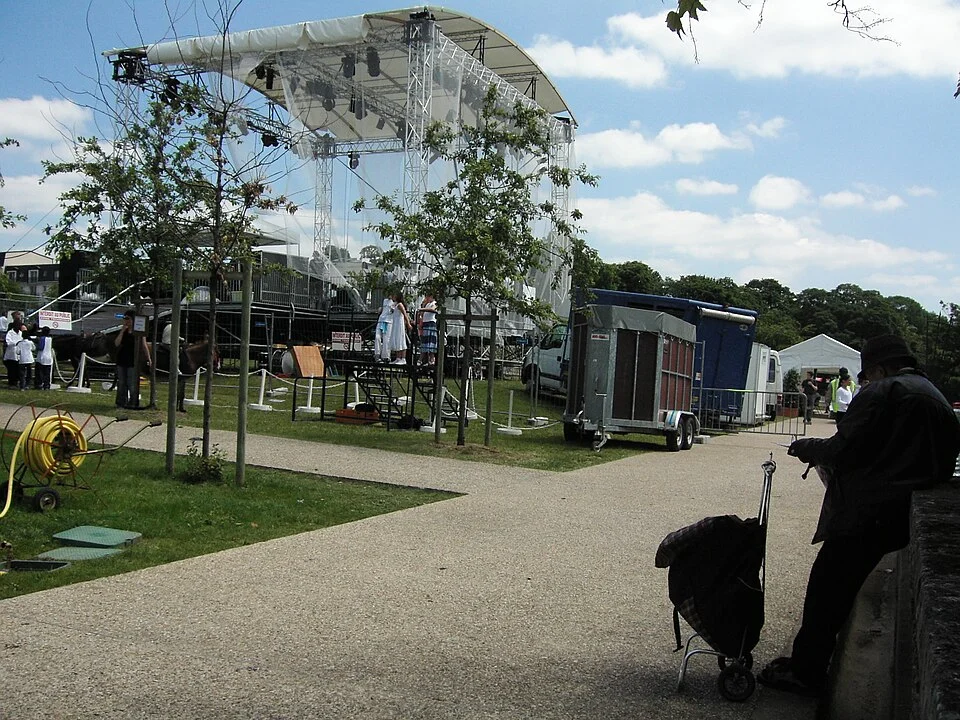
The Seine isn't a river — it's a timeline. Walk along its left bank and you'll go from Greek sculpture to Impressionism in under two kilometres. Few places on earth let you do that, and none pull it off with this effortless elegance that only Paris manages. We start at the Louvre, yes, but don't come here thinking about the Mona Lisa. Walk right past her, trust me. The Winged Victory of Samothrace at the top of that staircase deserves every second you steal from the crowd in the Italian corridor. After that, your body needs fuel, and Bouillon Julien delivers with prices that make no sense for a restaurant with those art nouveau ceilings from 1906 — mosaics, mirrors, stained glass, all original. You eat like a bourgeois from the last century for what a mediocre pizza costs in Châtelet. We cross the river to Orsay, where the Impressionists the Louvre rejected ended up with their own cathedral. The irony is delicious. The Panthéon reminds you that France buries its heroes with an almost excessive solemnity, and the Latin Quarter pulls you back to street level, to the secondhand bookshops and the cafés where Hemingway wrote without paying. A day to understand that the masterpieces of Paris aren't only in the museums — they're in the journey between them.
Paris City of Love
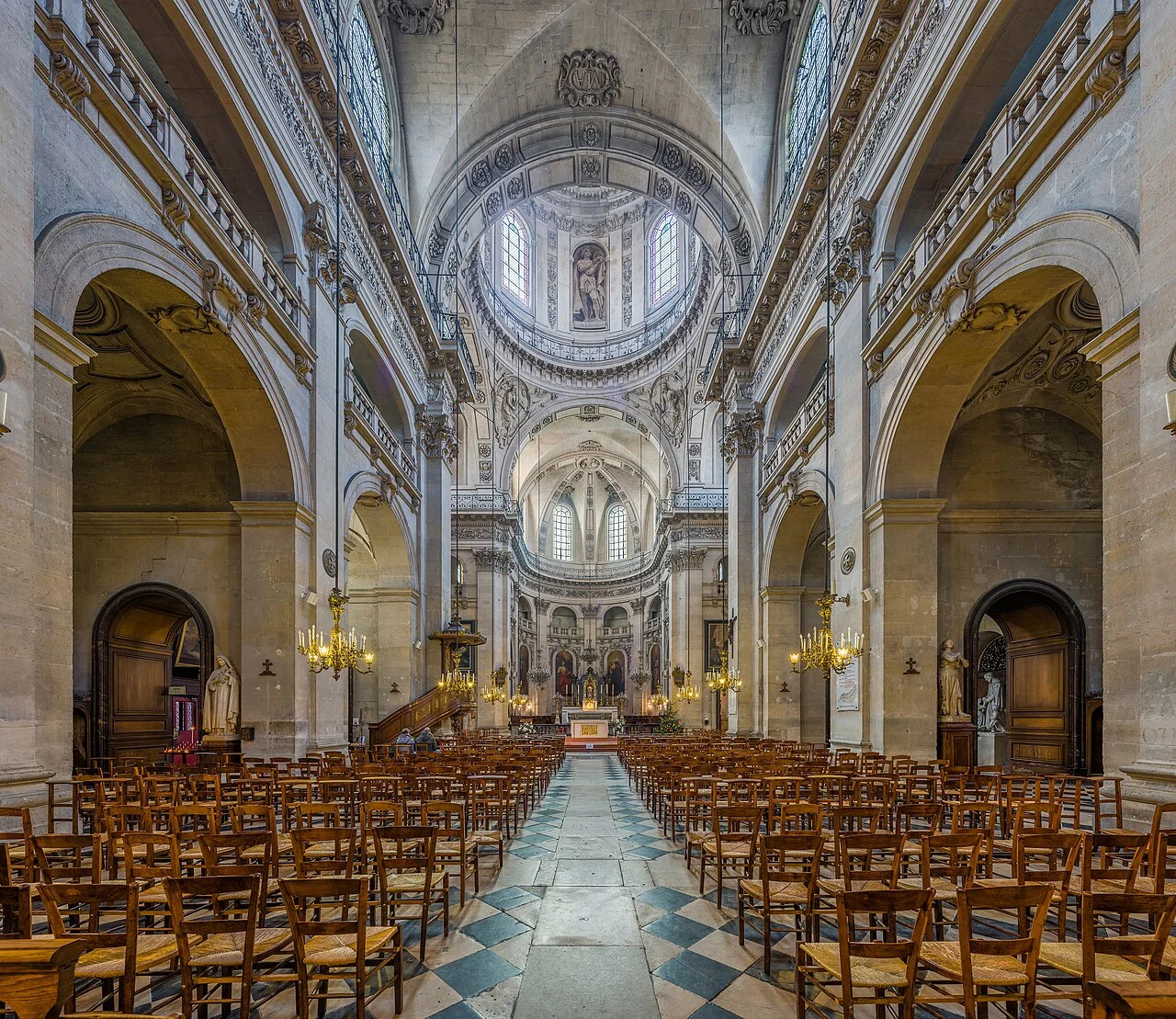
"Paris, city of love" — yes, I was forced to use that title. But let's do something with it that isn't embarrassing. The Trocadéro is where everyone points their phone at the Tower. You're going to turn your back on it. The gardens have a geometry that deserves twenty minutes of wandering without pulling out your phone, with those cascading fountains that we Parisians use as improvised benches in summer. From there, cross over to Île Saint-Louis — not the Cité, that's for tourists in a hurry. Saint-Louis is two hundred metres long with a density of ice cream shops per square metre that defies all urban planning logic. Berthillon has had a queue forming on the corner of Pont Louis-Philippe since 1954, and still doesn't need advertising. Lunch is at Les Deux Magots, yes. Sartre and Beauvoir used to sit there, but so have forty thousand people who pretend they've read *Being and Nothingness*. Go for the café crème and the omelette — they're honest. In the afternoon, a sunset cruise — the light over Paris at eight in the evening on the water is one of the few things that actually justifies the romantic cliché. And you finish at Le Train Bleu, inside the Gare de Lyon: painted ceilings from 1901, gold mouldings taken to absurd extremes, and a steak tartare they prepare in front of you with the seriousness of a surgeon. If you're going to be romantic in this city, at least do it with style.
Croissants and Haute Cuisine
Any Parisian worth their salt knows this city is better understood through the stomach than the eyes. And this itinerary is exactly that: a full day surrendering to your most primal instinct — hunger — through some of the corners where gastronomy stops being performance and becomes truth. You start on Rue Montorgueil, which is basically the edible living room of the 2nd arrondissement. Here the shopkeepers will offer you cheese samples at nine in the morning without batting an eye. From there, a detour to the Marais for the falafel at L'As du Fallafel — yes, a Parisian recommending falafel over foie gras, welcome to the 21st century. The queue on Rue des Rosiers is part of the ritual; if there's no queue, be suspicious. In the afternoon you dive into a French pastry class where you discover that a perfect macaron demands the precision of a Swiss watch and twice the patience. Things get serious with a wine and cheese tasting — because pairing a comté with a Jura white is an art practised here with near-religious devotion. And you finish at Au Pied de Cochon, by Les Halles, a brasserie that's been open since 1947 and at two in the morning is still serving gratinéed onion soup to night owls and chefs who've just closed their own kitchens. That's edible Paris, no filter.
Paris as a Family
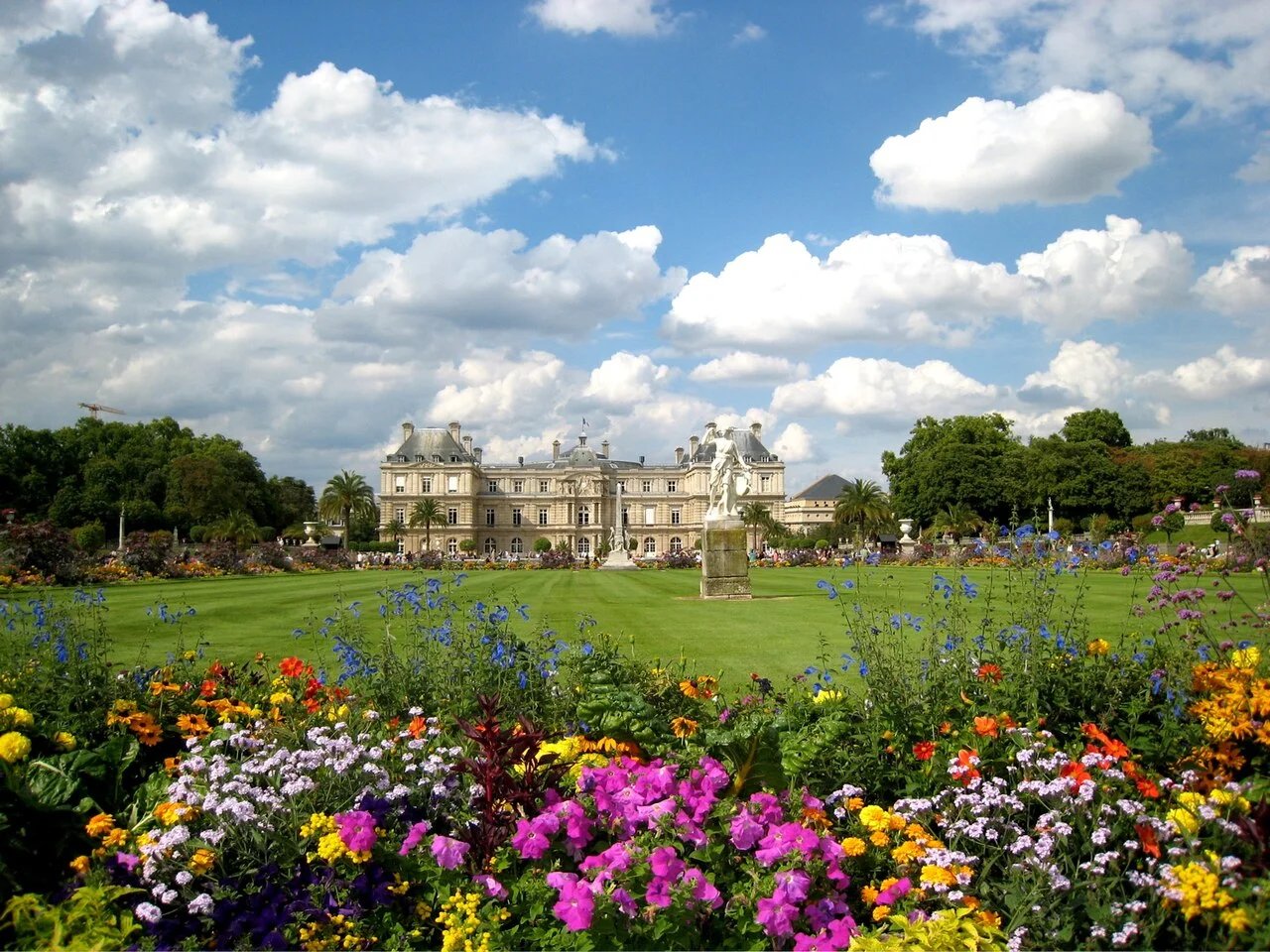
Taking kids to Paris is the best filter against schmaltz. I say this because with children there's no time to gaze at sunsets from the Pont des Arts — you have to move, feed, entertain, and in that chaos you discover a far more honest city. Yes, the Eiffel Tower is here. Second floor, which is where we Parisians go when forced — the views are practically the same as the top, without the absurd queue or the vertigo. But what actually works with a family is what comes after: the Luxembourg Gardens, where your kids will push wooden sailboats across the pond exactly the way Parisian children have been doing since 1870. It's not nostalgia, it's that nobody's invented anything better. From there, a crêpe at Breizh Café — and I'm categorical here: it's proper Breton, buckwheat, not those sweet things they sell at the tourist stands by the Trocadéro. The Gallery of Evolution in the Jardin des Plantes is my secret weapon. That parade of taxidermied animals under the shifting light of the great hall silences four-year-olds and cynical teenagers alike. And the walk through the Jardin des Plantes itself, with its labelled trees and that art deco greenhouse, closes the day at just the right pace — no rush, no meltdowns, no queues.
Paris Underground and Street Art
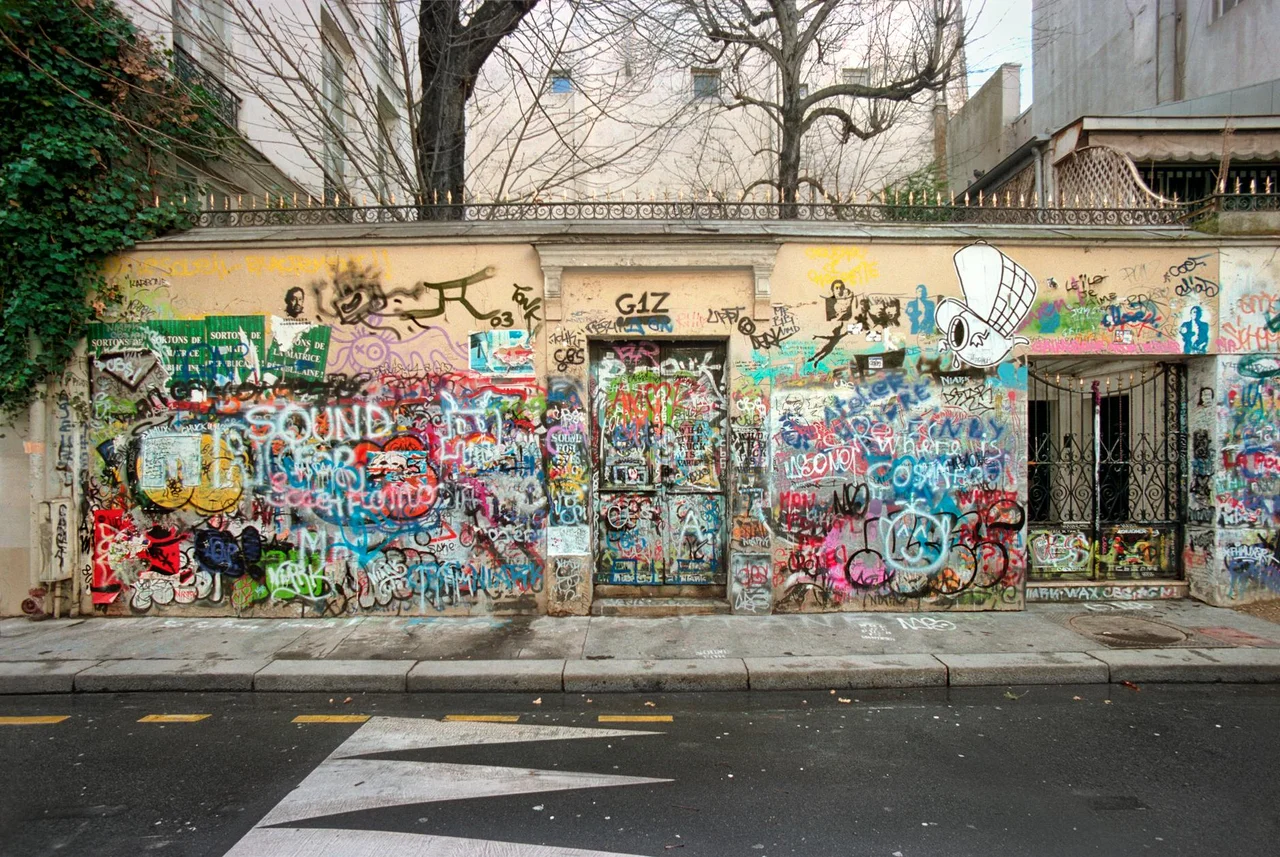
There's a Paris that doesn't appear in any guidebook, and frankly, I'd prefer it stayed that way. But since I like you, I'll take you there. Belleville is the arrondissement where art doesn't ask permission — murals show up on a Tuesday and vanish by Thursday, buried under another layer of fresh paint. Walking down rue Dénoyez is like stepping into a gallery that refuses to charge admission and changes its exhibition every week without telling a soul. After the walk you'll need fuel, and Le Comptoir Général is that gloriously absurd spot hidden in a courtyard off the canal Saint-Martin: Afro-tropical décor, brunch that follows zero logic of French gastronomy, and a vibe where nobody's in a rush. You step out and the canal itself catches you — the locks, the iron bridges, that midday light the neighbourhood photographers chase like madmen. In the afternoon, the Atelier des Lumières puts you inside a painting — literally, immersive projections in a 19th-century foundry where Klimt or Van Gogh cover every inch of wall and floor. And to close things out, Le Hasard Ludique, a former train station turned concert hall where any given night you'll hear something you weren't expecting. This Paris isn't Instagram-photogenic. It's better than that.
Paris Dorado: Luxury and Exclusivity
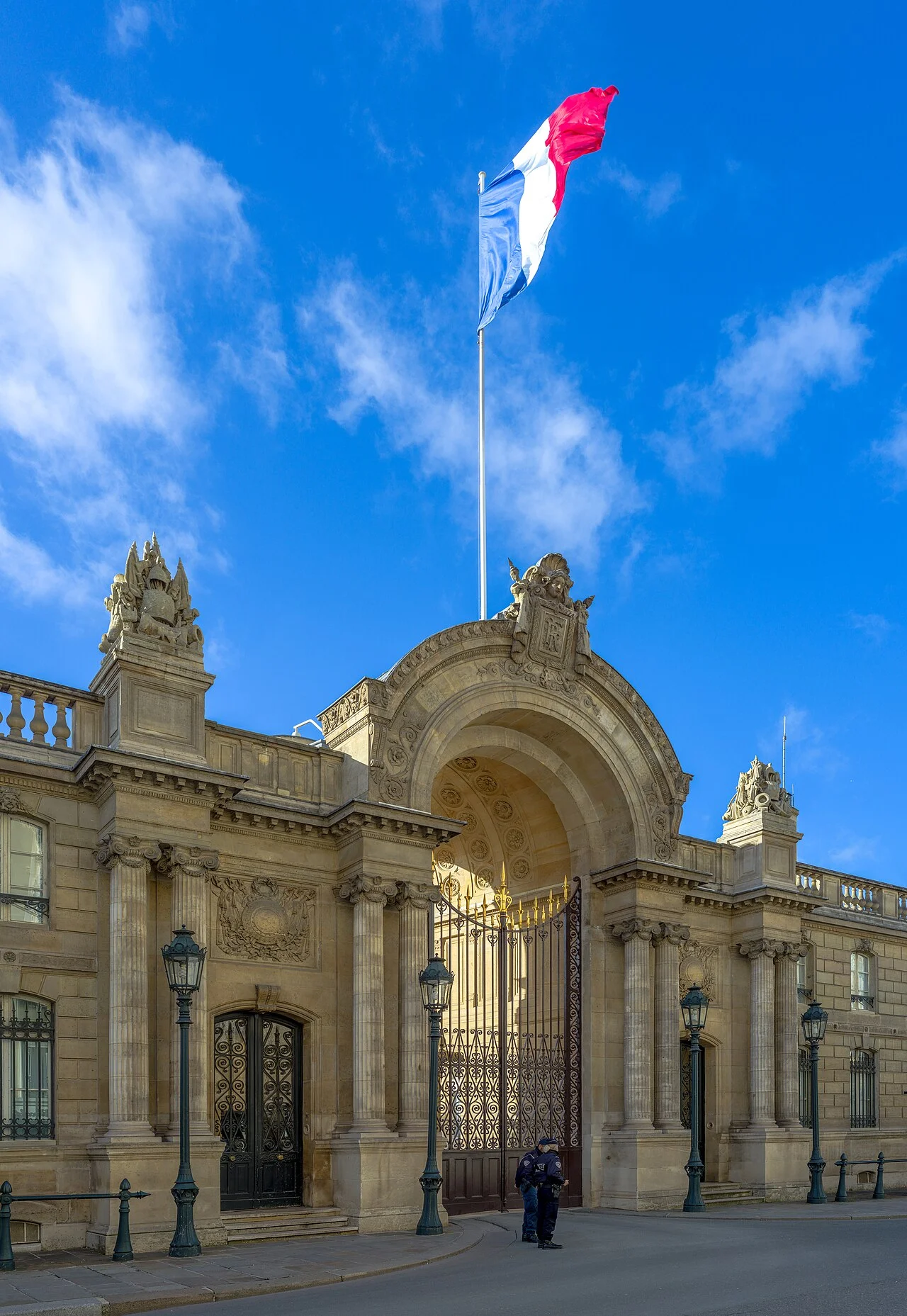
Luxury in Paris isn't what airport magazines sell you. It's not a logo handbag or a suite with a view. It's knowing where to sit, what time to arrive, and what to have in your glass. We start at the Opéra Garnier, which isn't a theatre — it's a statement of intent. Chagall painted that ceiling in '64 and half of Paris was outraged. Today it's the best thing in the building. From there, the Faubourg Saint-Honoré, where every shop window is a small museum that doesn't charge admission. You walk slowly, as one should. Then up to the Arc de Triomphe, and here's my confession: that terrace is the only viewpoint in Paris where you don't see the Arc de Triomphe ruining the skyline. Twelve avenues fanning out like a deck of cards — Haussmann would be pleased. In the afternoon, the Bar Hemingway at the Ritz, where Colin Field has spent decades making the finest dry martini on the Right Bank. You order champagne, sink into that leather armchair, and understand why Ernest never wanted to leave. Dinner, yes, is at Le Jules Verne. I know what I said about the Eiffel Tower. But dining at 125 metres with a Frédéric Anton menu is an entirely different conversation. You don't go up as a tourist — you go up as someone who knows that the best Paris is the one enjoyed without rush and with good taste.
Versailles and Giverny: Royal Getaway
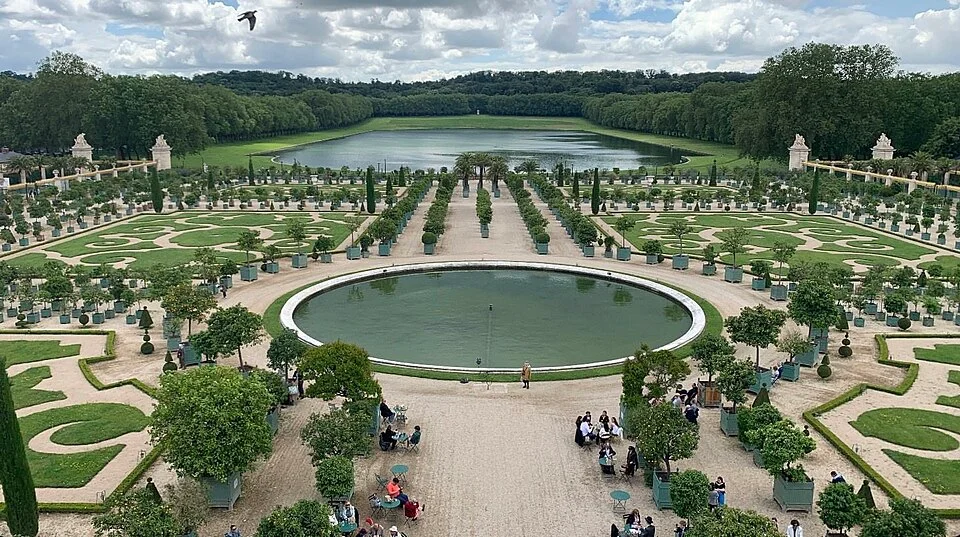
Versailles is excessive, ridiculous, completely over the top — and that's exactly why it deserves an unhurried visit. The Palace crushes you with its grandeur, yes, but the real trick is losing yourself afterwards in the gardens, far from the audio-guide crowds, where the silence between the sculpted hedges reminds you this place was designed for strolling, not for Instagram. Then, at La Petite Venise by the Grand Canal, you sit down to a trout with butter like a hungry courtier — minus the wig, obviously. But the day finds its true character in Giverny. An hour's drive and you trade Versailles for something intimate: Monet's house is small, almost modest, with that yellow kitchen that looks like a painting he never actually painted. The water garden, the Japanese bridge, the water lilies — it all looks exactly the way you'd imagined, and yet it still catches you off guard. It's rare for reality to outdo the myth, but here it happens every spring. The drive back to Paris calls for a hearty dinner, not a delicate one. Chez L'Ami Jean, in the Septième, serves a rice pudding meant for sharing that's practically an act of faith. Stéphane Jégo cooks like a Basque who conquered Paris: with brutal generosity. After a day spent between palaces and Impressionist gardens, it's exactly what you need — something real, loud, and completely without pretension.
Paris Photogenique
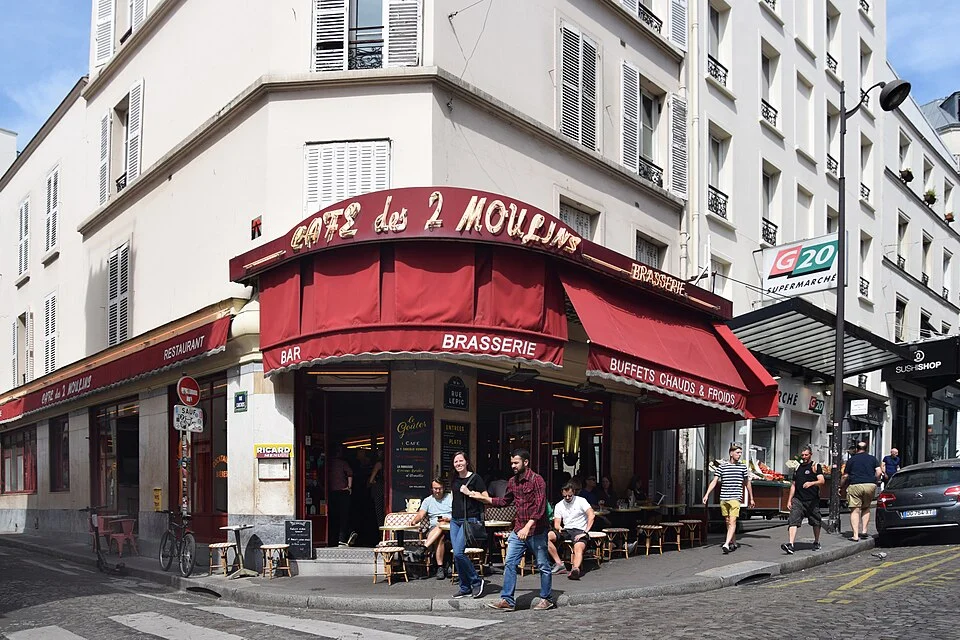
Everyone wants to photograph Paris, but almost nobody knows how to actually look at her. That's the difference between a tourist with a phone and someone who truly understands this city's light. Montmartre at dawn, when the last night owls cross paths with the first painters setting up in Place du Tertre, has a texture no Instagram filter can manufacture. Get up to the Sacré-Cœur before ten and you'll have the esplanade nearly to yourself — plus a panorama that justifies every single one of those three hundred steps. Afterwards, head down to the Café des Deux Moulins — yes, the one from Amélie. I know what you're thinking: tourist trap. But the coffee is still honest, the zinc counter is the original, and frankly, a crème there with the light filtering through those yellowed curtains is one of the best shots you'll take home. From there, a quick detour to the Mur des Je t'aime — three hundred and twelve "I love you"s in two hundred and fifty languages written on blue tiles. Cheesy in concept, ridiculously photogenic in practice. In the afternoon, the Jardin des Tuileries gives you perfect vanishing lines toward the Louvre, and Le Marais wraps up the day with its seventeenth-century façades, its galleries, and that blend of faded elegance only this quartier knows how to pull off. Paris never poses — but if you know where to stand, she always looks stunning in the photo.
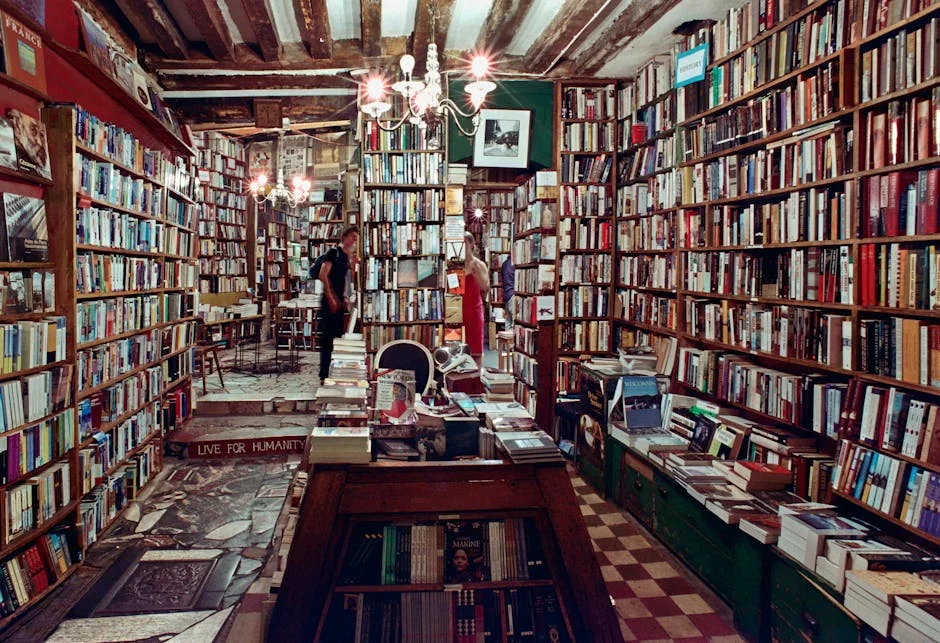
Literary Paris: Bookshops, Cafés and Ghosts of Ink
In Paris, slowing down isn't wasting time — it's the only way to capture what makes this city special. The Paris of the writers: Shakespeare and Company, the Café de Flore, the house of Victor Hugo, the literary Père-Lachaise and the gardens of the Palais Royal. ### The tour The tour begins at **Shakespeare and Company: The World Bookstore**, where the day comes to life from the first moment. Afterwards, the route takes you to **Café de Flore: Existentialist Breakfast** and **Maison de Victor Hugo on the Place des Vosges**, two stops that complement each other and create a contrast that enriches the experience. And just when you think it can't get any better, **Père-Lachaise Cemetery: Walk Among Geniuses** is the point where everything takes on a new meaning. The day culminates in **Palais Royal Gardens: Reading under the Linden Trees**, a perfect closing that summarizes everything Paris has to offer. The slow philosophy in Paris is not a fad — it is the natural way of life of its inhabitants. This slow plan invites you to put down the map, forget about the clock and let the city guide you at its own pace. Each stop is meant to be savored, not crossed off a list. ### Paris in context Paris is not a city that surrenders to the first walk. It has layers: one superficial, accessible and beautiful, and another deeper one that only reveals to those who take the time to look for it. The neighborhoods have different personalities, the schedules dictate their own rhythm and the seasons of the year transform the experience radically. Really getting to know Paris means understanding those nuances — and this plan is designed so that you notice them from the first stop. ### What to expect from this day Don't expect a conventional tour guide tour. This experience is designed so that each transition between stops is part of the enjoyment — the walks between points, the chance discoveries along the way, the improvised stops that arise when something catches your attention. The rhythm is flexible: you can follow it to the letter or use it as a structure on which to improvise. The important thing is that each moment has meaning and contributes something to the overall experience. ### Why this experience is different The most special moment is the combination of stops that is not accidental: each point connects to the next, creating a narrative thread that gives meaning to the whole. It's not a list of places — it's a story told by walking. This tour is designed for those who know that the best moments are shared. ### What you need to know before you go This plan is designed for a full day, although it can be adapted according to your pace and preferences. Most stops are connected by foot or public transportation, allowing you to enjoy the tour without logistical stress. If you travel during high season, we recommend starting early to avoid crowds at the most popular spots. And a tip that applies to any experience in Paris: ask the locals. They always have a recommendation that you won't find in any guide. Paris has a romantic quality that goes beyond clichés. It is subtle, unexpected and deeply authentic. This tour seeks those moments — the ones that stay in the memory not for their spectacular nature, but for their quiet beauty.
Paris for Business Travellers: Culture and Productivity Between Meetings
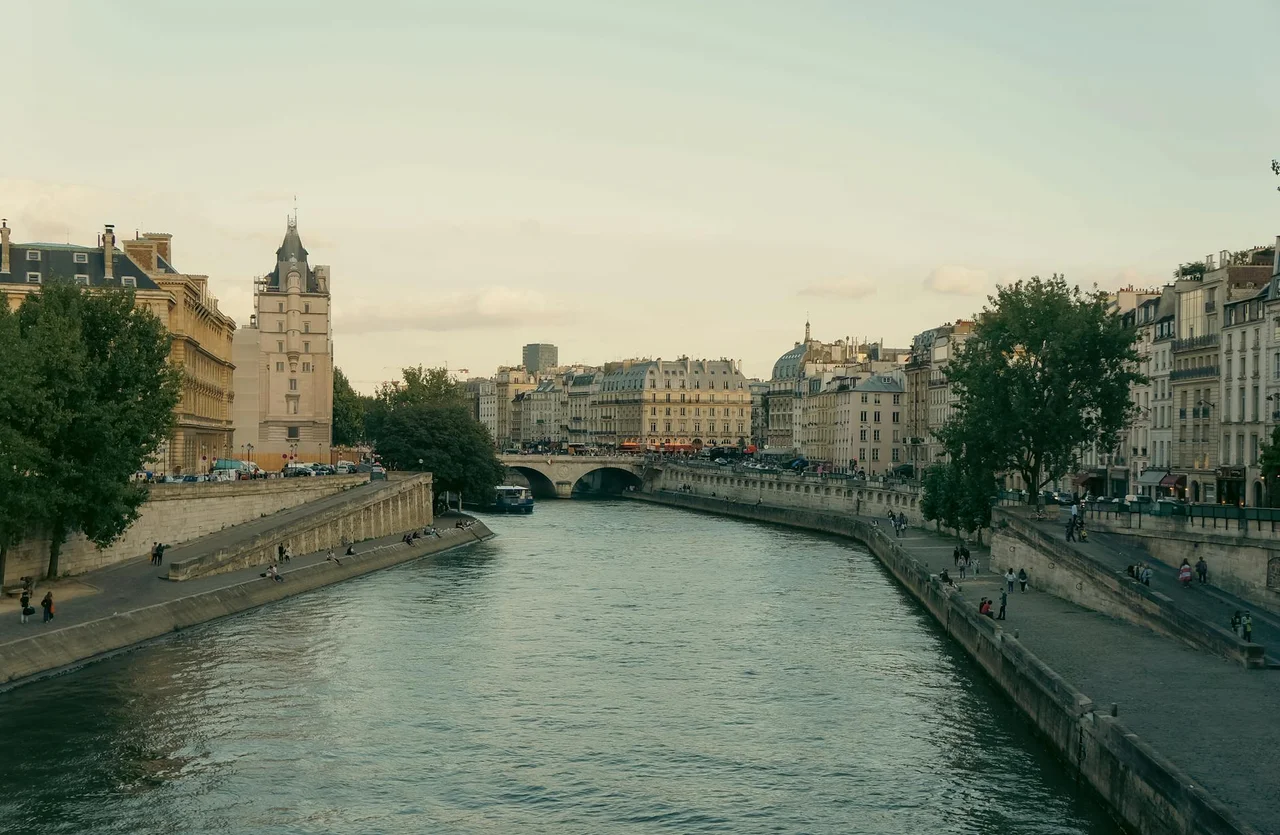
Discover how to make the most of your business trip to Paris by combining productive work with unique cultural experiences. This bleisure experience is designed for professionals with a few spare hours between meetings who want to enjoy the best of the City of Light without straying far from business districts. From high-speed wifi cafés near the Opéra quarter to networking walks through the Tuileries Gardens, every stop is chosen to offer inspiration, quality dining, and cultural moments that elevate any corporate trip. Paris isn't just the capital of luxury and fashion — it's a top-tier European business hub with over 30 premium coworking spaces, flawless public transport, and a dining scene that turns every business lunch into a memorable experience.
Frequently asked questions about Paris
What to do in Paris in one day?
Let'sJaleo offers 10 curated experiences in Paris, each designed by local experts. Some popular options: Masterpieces of the Seine, Paris City of Love, Croissants and Haute Cuisine, Paris as a Family, Paris Underground and Street Art.
How many experiences are available in Paris?
There are currently 10 experiences available in Paris, covering profiles such as cultural, foodie, family, instagrammer and more.
What types of experiences are there in Paris?
In Paris there are experiences for every style: cultural (museums and heritage), foodie (local gastronomy), family (activities for kids), instagrammer (photogenic spots), local (authentic neighbourhoods), slow (relaxed pace), VIP (premium experiences) and express (the essentials in a few hours).
Is it free to use Let'sJaleo in Paris?
Yes, exploring experiences and using Let'sJaleo is completely free. You only pay if you decide to book specific activities through our trusted partners.
Activities in Paris
Explore all activities with filters and interactive map