Antiguo Neighbourhood
Why do locals de San Sebastián consideran Barrio de Antiguo imprescindible.
Why do locals de San Sebastián consideran Barrio de Antiguo imprescindible?
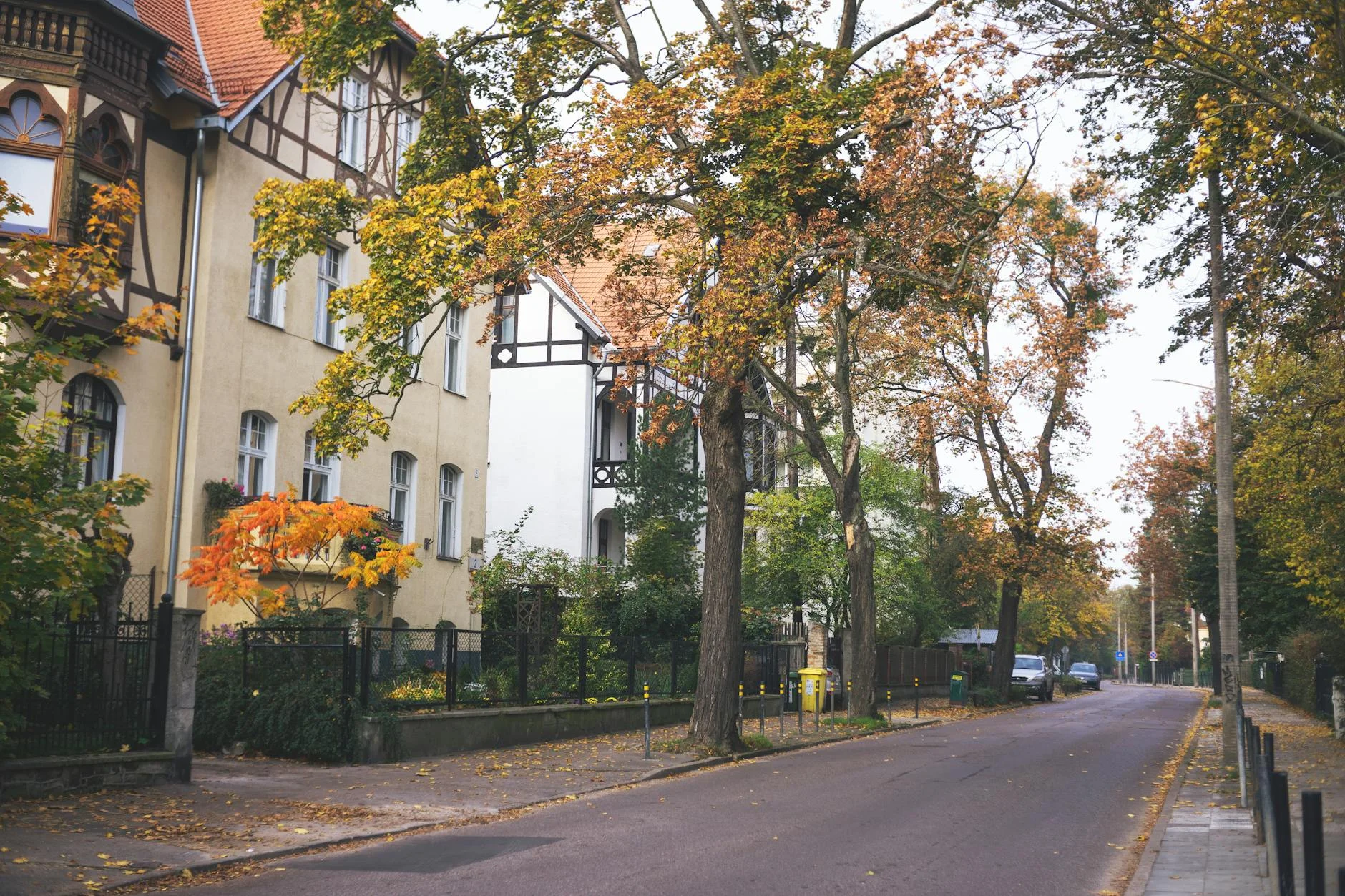
Después de la intensidad sonora y sensorial de la sidrería, el Barrio de Antiguo te recibe con un silencio que se siente casi terapéutico. Este vecindario residencial, encajado entre el Monte Igueldo y la playa de Ondarreta, es donde Donostia respira sin prisas. No hay colas, no hay terrazas abarrotadas, no hay menús turísticos en la puerta. Solo calles arboladas, fachadas de piedra con balcones de hierro forjado y el murmullo de una vida cotidiana que transcurre ajena a los itinerarios de las guías de viaje.
La historia de Antiguo está grabada en su **arquitectura**. A finales del siglo XIX y principios del XX, cuando San Sebastián se convirtió en la ciudad de veraneo de la aristocracia y la realeza española, Antiguo fue el barrio elegido por las familias acomodadas para construir sus residencias de descanso. Las villas señoriales, muchas de estilo ecléctico y modernista, asoman entre los árboles con esa dignidad discreta de quien no necesita presumir. Algunas se han reconvertido en sedes institucionales o viviendas divididas, pero conservan los escudos, las molduras y los jardines que hablan de otra época.
Pasear por la **calle Matía** es recorrer el eje vertebral del barrio. Aquí están la panadería donde tres generaciones de la misma familia hornean el pan de maíz cada madrugada, la frutería donde la dueña conoce a cada cliente por nombre y la carnicería que guarda los mejores cortes para los vecinos habituales. Es un ecosistema comercial de proximidad que resiste porque la gente de Antiguo cree en sus tiendas de barrio. Entre estos comercios de toda la vida, aparecen tímidamente algunos locales nuevos —una cafetería de especialidad, un estudio de yoga, una tienda de cerámica— que se integran sin estridencias.
El **paseo que conecta Antiguo con Ondarreta** es uno de los secretos mejor guardados de Donostia. Un camino arbolado que bordea la costa, protegido del viento por el monte, donde los vecinos corren al amanecer, pasean a sus perros al mediodía y contemplan la puesta de sol sin la multitud que se concentra en el paseo de La Concha. Desde aquí, las vistas de la bahía tienen un encuadre diferente, más íntimo y menos postal, con la isla de Santa Clara en primer plano y el perfil de Urgull cerrando el horizonte.
Si tienes tiempo y sensibilidad artística, el **Museo Chillida-Leku** está a un paso del barrio. Eduardo Chillida, el escultor donostiarra más universal, eligió un caserío del siglo XVI rodeado de prados y hayedos para exponer su obra al aire libre. Las enormes esculturas de acero y granito dialogan con la naturaleza que las rodea, creando un espacio que trasciende el museo convencional. Es el lugar perfecto para entender por qué el arte vasco está tan unido al paisaje y a la materia.
Los **bares de Antiguo** funcionan con un código diferente al de la Parte Vieja. Aquí no hay barras abarrotadas ni competición por el mejor pintxo. Son establecimientos tranquilos donde los parroquianos piden su vermut de grifo, su café cortado o su combinado de media tarde con la naturalidad de quien entra en el salón de su casa. Las conversaciones son pausadas, los dueños te cuentan historias del barrio si muestras interés genuino, y nadie te mete prisa por dejar la mesa. Antiguo te enseña que Donostia no es solo espectáculo gastronómico: es también el arte de no hacer nada con elegancia.
## What makes this place special
Como guía local, lo que más valoro de Barrio de Antiguo es que es accesible para todos. No necesitas ser un experto ni preparar nada especial — solo venir con ganas de disfrutar. Eso sí, hay algunos trucos que pueden hacer tu visita mucho mejor. El primero: llega 15-20 minutos antes de la apertura. El segundo: no subestimes la tienda o el bar de la esquina — a veces lo mejor está donde menos esperas.
Lo encontrarás en Barrio de Antiguo, 20009 Donostia-San Sebastián — una ubicación privilegiada que ya de por sí merece el paseo.
## Fun fact
Lo que hace verdaderamente especial a Barrio de Antiguo no es solo lo que ves o lo que comes — es la sensación de estar en un lugar que los propios habitantes de San Sebastián valoran y frecuentan. No es un escenario para turistas, es un trozo de vida local que ha abierto sus puertas para que tú también lo disfrutes. Cada visita es diferente porque el lugar respira con la ciudad: cambia con las estaciones, con las horas del día, con el humor de la calle.
## Practical tip
Cualquier momento del día tiene su encanto, pero los locales tienen sus preferencias — pregunta cuando llegues. Con un presupuesto de free, obtienes una de las mejores relaciones calidad-experiencia de San Sebastián.
If you're planning your day in San Sebastián, Barrio de Antiguo fits perfectly tanto como parada principal como descubrimiento inesperado. Y si te queda tiempo, explora los alrededores — the neighbourhood has much more to offer de lo que parece a primera vista.
About this activity
After the intensity of the cider house, the Antiguo neighbourhood welcomes you with calm. This residential area, away from the Old Town bustle, is where locals walk their dogs, buy bread from the same bakery they have used for decades and sip vermouth in bars with no tourist signs. Stroll through its tree-lined streets, discover stately facades from another era and wander towards the promenade that leads to Ondarreta beach. If you have time, the Chillida-Leku Museum is steps away and worth every minute. Antiguo is proof that Donostia has far more than famous beaches.
Practical information
Reviews
Be the first to review this activity