Place Garibaldi: Aperitivo and Neighbourhood Life
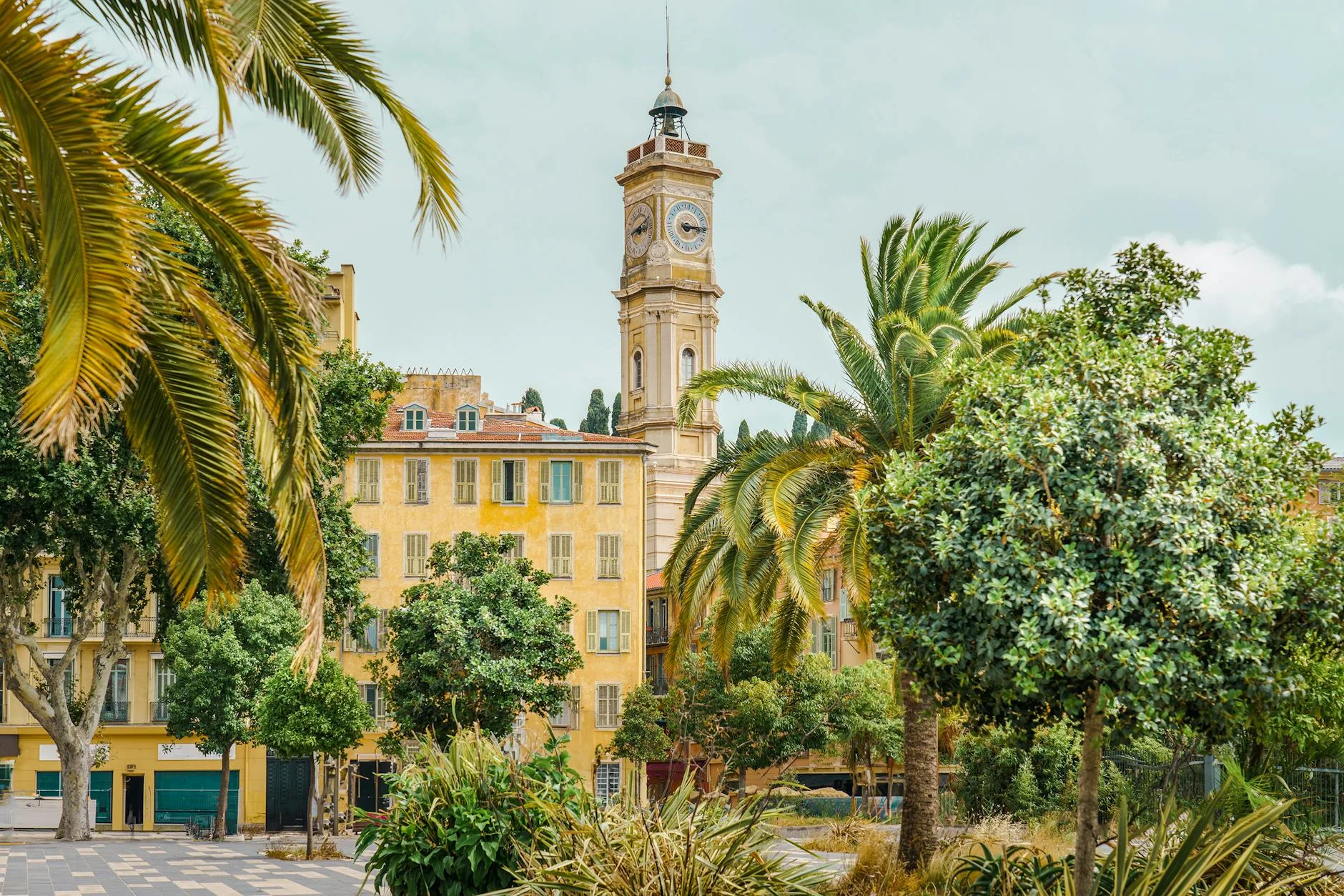
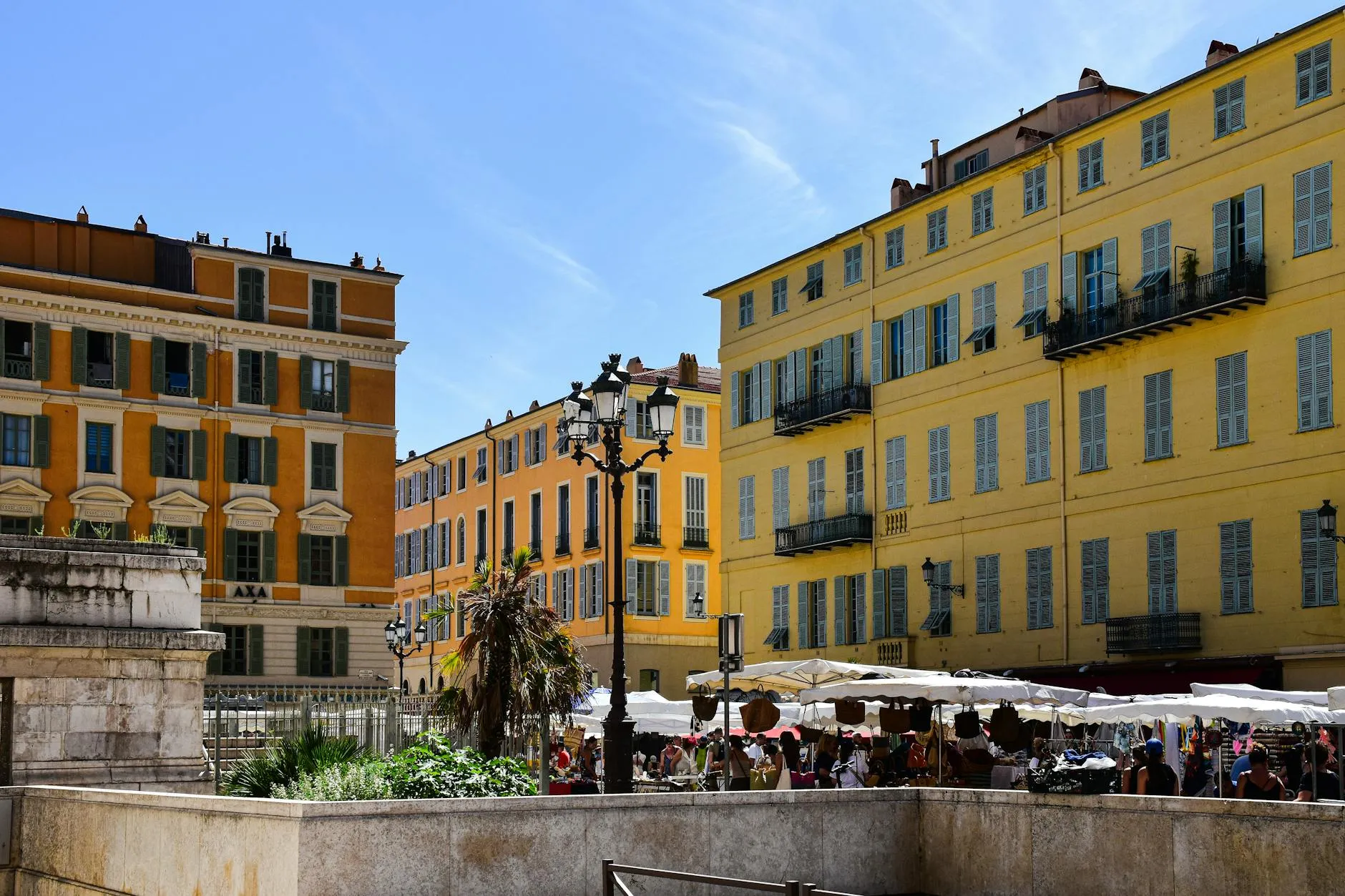
**Place Garibaldi** appears before you like an Italian opera set: symmetrical arcades painted in golden ochre frame a...
**Place Garibaldi** appears before you like an Italian opera set: symmetrical arcades painted in golden ochre frame a rectangular square where the evening light reflects off the central fountain and the bronze statue of **Giuseppe Garibaldi**—hero of Italian unification, born in Nice in 1807—surveys the scene with that determined gaze that defined him. It's the city's most elegant square and, paradoxically, the least frequented by tourists, making it the perfect place to experience the Niçois aperitif ritual.
The square was designed in **1773** by architect Antonio Spinelli, following the model of Piedmontese squares in Turin. The influence is obvious: the porticoed arcades surrounding three of its four sides, the uniform-colored façades, the proportions calculated so light enters optimally at every hour of the day... everything breathes an order and harmony more reminiscent of Piedmont than Provence. This is no coincidence: Nice belonged to the Kingdom of Sardinia-Piedmont until 1860, when it joined France after a referendum, and Place Garibaldi is the most visible monument to that Italian past the city has never wanted to fully erase.
From **18:00** onward, the square transforms. The terraces of cafés and bars occupying the ground floors of the arcades begin filling with a parade of Niçois arriving alone, in couples, or in groups of friends to celebrate the **apéro**: that sacred moment between work and dinner when the entire city sits down, orders a drink, and lets time pass. On the tables, glasses of **pastis**—the Provençal anise drink that clouds when cold water is added—mingle with intensely orange **Spritz** glasses, pints of local craft beer, and the occasional Provençal rosé drunk like water here. Nobody's in a hurry. Conversations flow between laughter, the clinking of glasses sets the rhythm, and children run around the fountain while their parents enjoy that particular peace found only in a Mediterranean square as evening falls.
Just beside the square, on **Rue Sainte-Réparate**, stands **Chez Pipo**, another Niçois institution that has been serving socca for decades in an unpretentious venue where wooden benches are shared with strangers and the only menu that matters is what comes out of the wood-fired oven. Pipo is the perfect complement to a Garibaldi aperitif: a crunchy piece of socca with pepper and a glass of wine before deciding where to dine.
Place Garibaldi is also the gateway to the **Garibaldi-Riquier neighborhood**, Nice's most multicultural area. Within just a few streets, African restaurants coexist with Asian shops, Tunisian bakeries, Maghrebi craft workshops, and Italian trattorias that recall how this quarter was for centuries home to Genoese immigrants. It's a microcosm reflecting the real Nice: a city that has always been a port of arrival and cultural melting pot, far more complex and diverse than the Promenade des Anglais postcard suggests.
On **Friday evenings**, the square takes on special energy. Street musicians set up beneath the arcades, bars bring out extra tables, and the festive atmosphere extends well into the early hours. It's the best time of the week to visit Garibaldi: when the square stops being a historic monument and becomes what it always was—a meeting place where Niçois celebrate life with that blend of Italian elegance and Provençal nonchalance you won't find anywhere else on the Côte d'Azur.
Terraces open from **09:00 to midnight** (later on Fridays and Saturdays). A pastis runs 4–5 euros, a Spritz 7–8 euros, and a local craft beer 5–6 euros. No reservation needed: simply find an empty table, sit down, and let the square do the rest.
About this activity
Place Garibaldi is Nice's most elegant and least touristic square. Designed in 1773 following the Piedmontese model, its ochre arcades and the statue of Giuseppe Garibaldi (born in Nice in 1807) create an unmistakably Italian atmosphere. This is where locals come for aperitivo from 6pm onwards. Chez Pipo nearby is another institution famous for its socca. Friday evenings bring live music and a festive atmosphere.
Practical information
Reviews
Be the first to review this activity