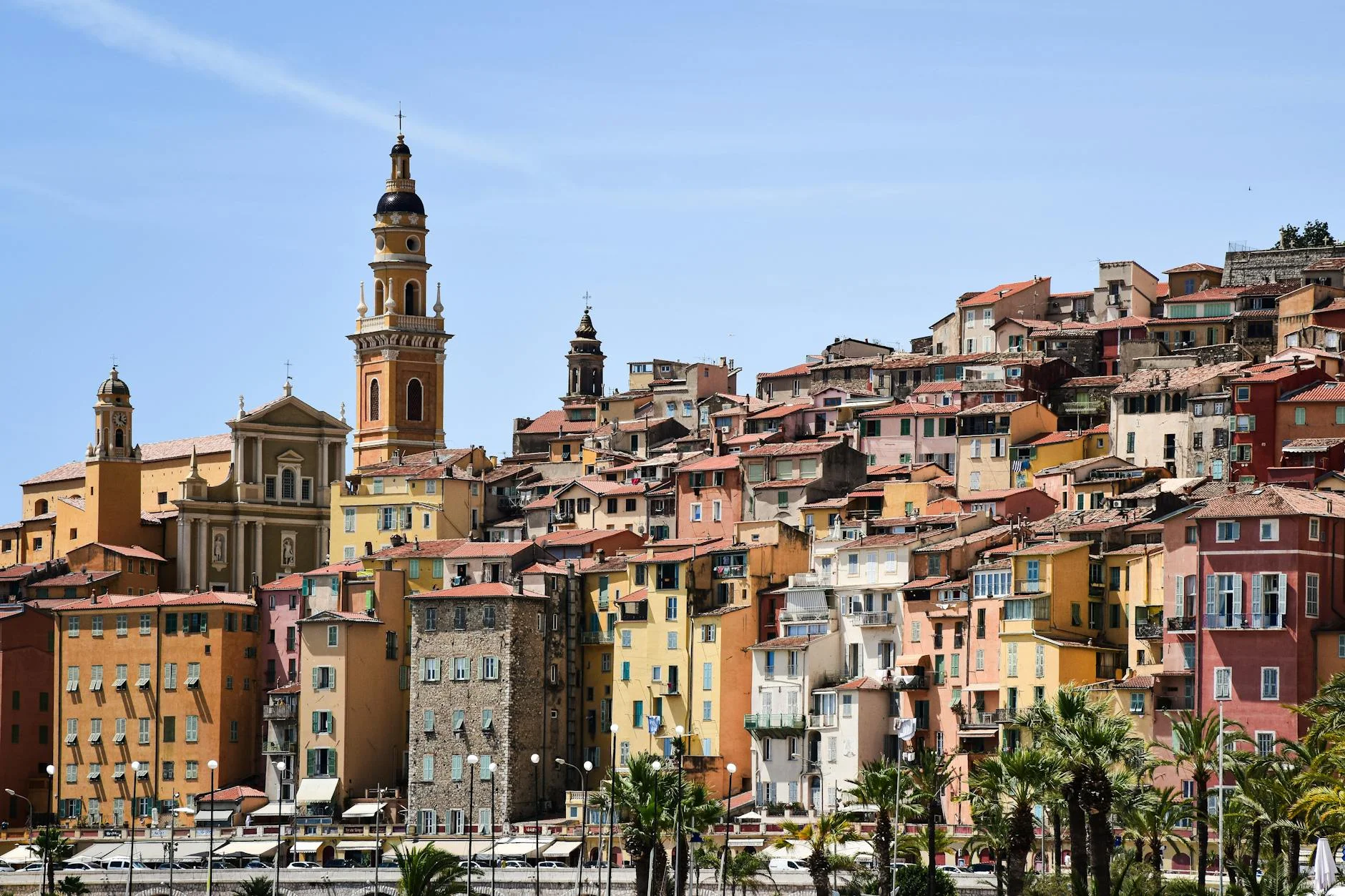
Port District: Fishermen's Bistros
**Port Lympia** greets you with the metallic clinking of halyards against masts and the cries of gulls gliding over f...
**Port Lympia** greets you with the metallic clinking of halyards against masts and the cries of gulls gliding over fishing boats moored at the quay. You're in Nice's harbor, and though less than a kilometer from Vieux Nice, here the city shifts register completely. Cruise passengers and Promenade tourists disappear, replaced by fishermen mending nets, retirees playing pétanque on the quayside esplanade, and local families walking dogs along the **Quai Lunel** as the afternoon sun paints the harbor water with golden reflections.
Port Lympia was built in **1749** by order of King Charles Emmanuel III of Sardinia, when Nice still belonged to the Sardinian-Piedmontese kingdom. The name comes from a natural spring (Lympia, from the Greek *limpidus*) that fed the bay before the port was excavated. For two centuries it was the city's commercial engine: goods from Genoa, Sardinia, and North Africa entered here, while Grasse's oils, flowers, and perfumes departed. Today the port maintains its fishing activity—every dawn boats head out and return with the day's catch—alongside a sports marina and the Corsica ferry terminal.
What makes the Port district special isn't the boats but what happens around them. **Rue Bonaparte**, running parallel to the northern quay, was for centuries the street of port warehouses. Those stone warehouses, with their austere façades and enormous doors, have transformed in recent years into **bistros and restaurants** where the star product is, logically, the fish unloaded each morning just meters away. Here you won't find tourist menus with laminated photos: menus change with the day's catch, handwritten on chalkboards that a waiter recites with the ease of someone who knows the product speaks for itself.
**Les Pêcheurs**, right on the quay, is an institution for grilled-fish lovers. The **Café de Turin**, open since **1908** on Place Garibaldi (five minutes' walk away), is Nice's seafood temple: platters of oysters, sea urchins, prawns, and whelks that Niçois devour on family Sundays like a sacred rite. The terrace tables, shielded by green awnings, have been the stage for celebrations, reunions, and those long Mediterranean after-lunch sessions where time is measured in bottles of Provençal rosé for over a century.
Beyond gastronomy, the Port district has heritage that goes unnoticed unless you look up. The **Church of the Immaculate Conception**, on Rue de la République, is a gem of **Genoese baroque** reflecting the neighborhood's Italian past: its interior, with ceiling frescoes and pink marble columns, rivals Vieux Nice's churches in beauty but without the queues or crowds. And on the hill overlooking the port, the **Parc du Mont Boron** offers pine-and-oak trails with panoramic views stretching from the airport to Cap Ferrat.
Port restaurants follow a typically French schedule: **lunch 12:00–14:30** and **dinner 19:00–22:30**. Prices are moderate for Nice: a grilled fish dish with sides runs 18–25 euros, and a fruits de mer platter for two at the Café de Turin starts at 40 euros. Booking is advisable on weekends, especially for terrace tables with harbor views.
**Tip**: if you want to see the port at its most authentic, come at dawn (06:00–07:00) when the fishing boats return and unload the catch on the quay. It's a spectacle few tourists witness, connecting you with the seafaring essence of a city that, despite its glamorous reputation, still lives with its feet in the sea.
About this activity
Nice's port district is where the city stops being touristic and becomes genuinely local. Port Lympia is still an active fishing port. The surrounding Rue Bonaparte warehouses have become bistros where the menu changes with the daily catch. Café de Turin, an institution since 1908, specialises in seafood where Niçois have celebrated Sunday lunches for generations.
Practical information
Reviews
Be the first to review this activity